



















Regional collaboration is increasingly becoming the backbone of efficient trade in Southern Africa—and recent developments between Zambia, Zimbabwe, and South Africa highlight just how critical coordinated transport systems are to unlocking economic growth.
In a renewed push to improve cross-border logistics, the three countries are strengthening their trilateral transport cooperation. This move signals a shared commitment to reducing trade barriers, improving corridor efficiency, and supporting the movement of goods across some of the region’s most vital routes.
Why This Matters for Zambia
For Zambia, a land-linked country heavily reliant on regional corridors, efficient transport systems are not just a convenience—they are a necessity. Trade flows through key routes such as the North-South Corridor directly impact the cost of doing business, export competitiveness, and overall economic performance.
Improved coordination with Zimbabwe and South Africa is expected to:
- Reduce border delays and congestion
- Harmonise transport regulations
- Enhance infrastructure utilisation
- Lower logistics costs for importers and exporters
These outcomes are particularly important for sectors such as mining, agriculture, and manufacturing, where timely delivery and cost efficiency are critical.
A Shift Towards Integrated Corridor Management
The renewed cooperation reflects a broader shift towards integrated corridor management—an approach that treats transport routes not as isolated national systems, but as interconnected regional lifelines.
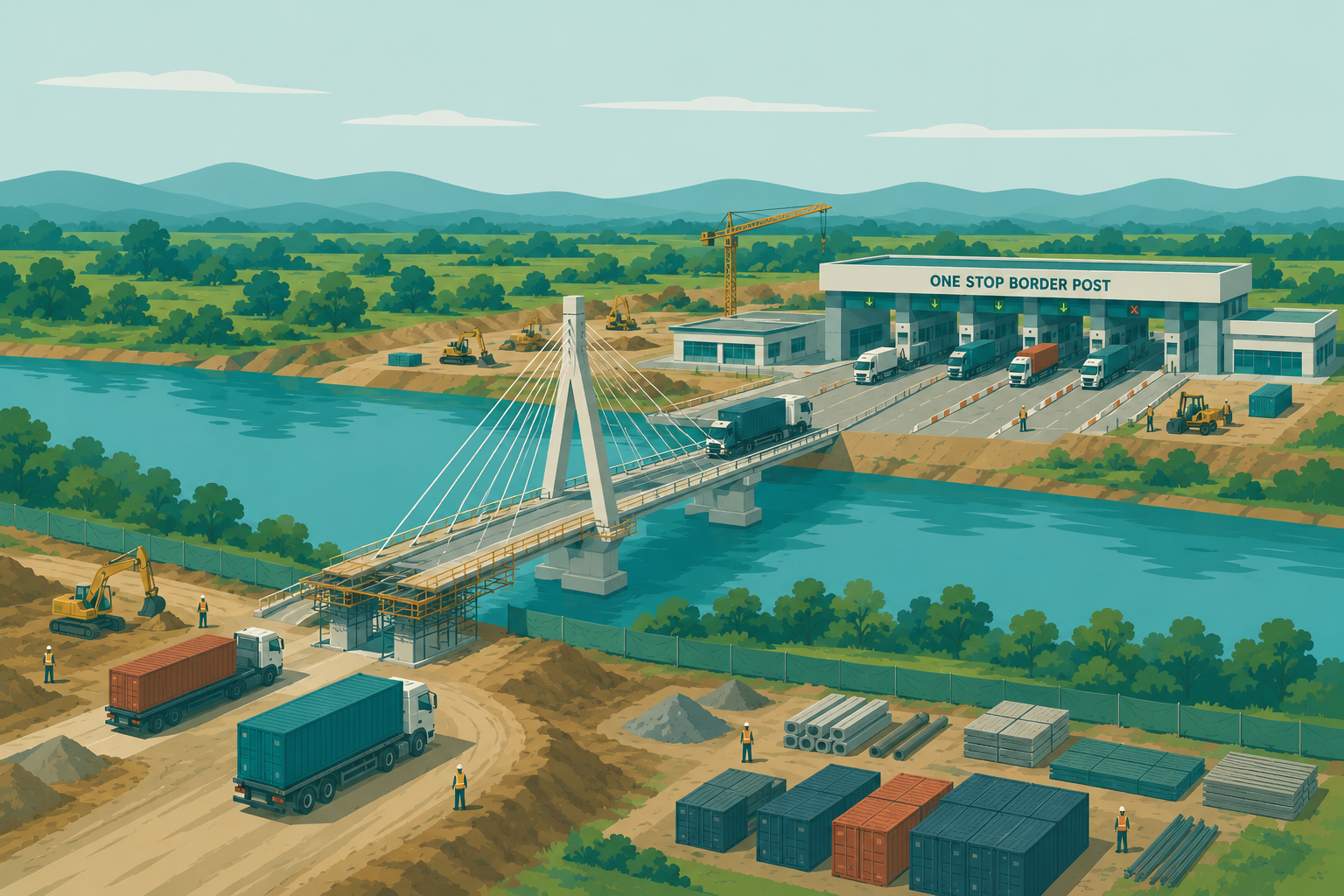
By aligning policies, standards, and operational procedures, Zambia, Zimbabwe, and South Africa are working to create a more seamless logistics environment. This includes improving border post efficiency, streamlining documentation processes, and addressing bottlenecks that slow down cargo movement.
For logistics operators, this signals a move towards predictability—one of the most valuable assets in supply chain planning.
Opportunities for the Private Sector
The strengthening of trilateral transport cooperation presents clear opportunities for Zambia’s logistics and transport players.
Freight forwarders, transporters, and warehouse operators can expect:
- Increased cargo volumes along regional corridors
- Greater demand for integrated logistics solutions
- Opportunities to invest in value-added services such as tracking and warehousing
- Improved turnaround times, boosting asset utilisation
For businesses, this also means more reliable supply chains and better access to regional markets.
The Road Ahead
While the commitment from all three countries is encouraging, the real impact will depend on implementation. Infrastructure upgrades, digitalisation of border processes, and consistent policy enforcement will be key to translating cooperation into tangible results.
For Zambia, continued engagement in regional transport initiatives remains essential. As trade volumes grow and supply chains become more complex, collaboration—not competition—will define the future of logistics in Southern Africa.
Final Thought
The deepening partnership between Zambia, Zimbabwe, and South Africa is more than a diplomatic milestone—it is a practical step towards building a more efficient, resilient, and competitive regional logistics ecosystem.
For industry players, the message is clear: the future of logistics in Zambia is regional, connected, and full of opportunity.