




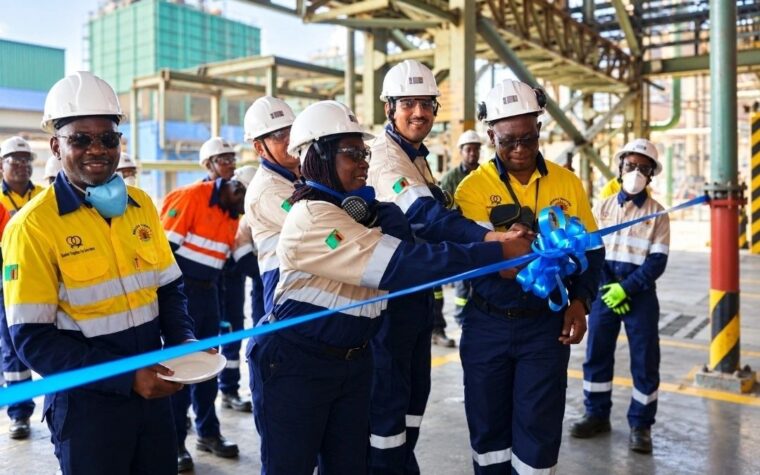
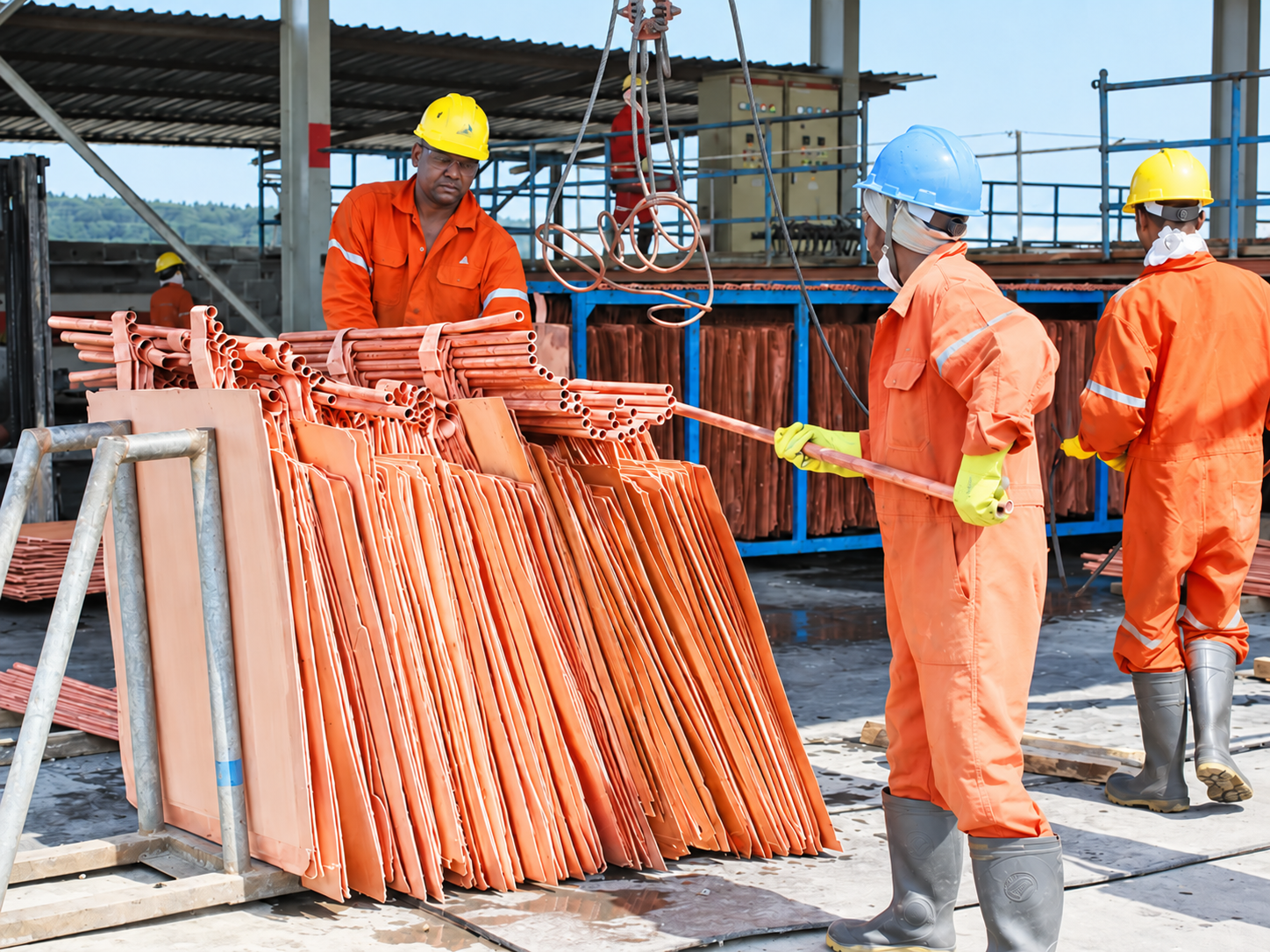




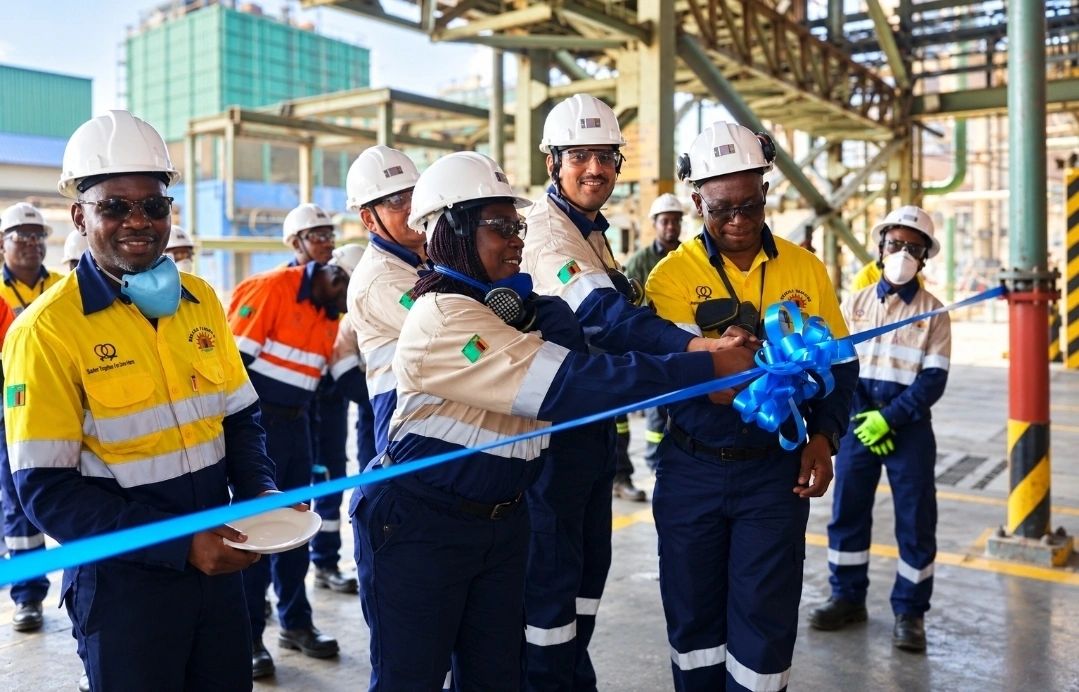
Konkola Copper Mines has restarted operations at its Nchanga Smelter in Chingola following a US$40 million rehabilitation programme, restoring around 300,000 tonnes of annual smelting capacity as Zambia pushes towards its 3 million-tonne copper production target.
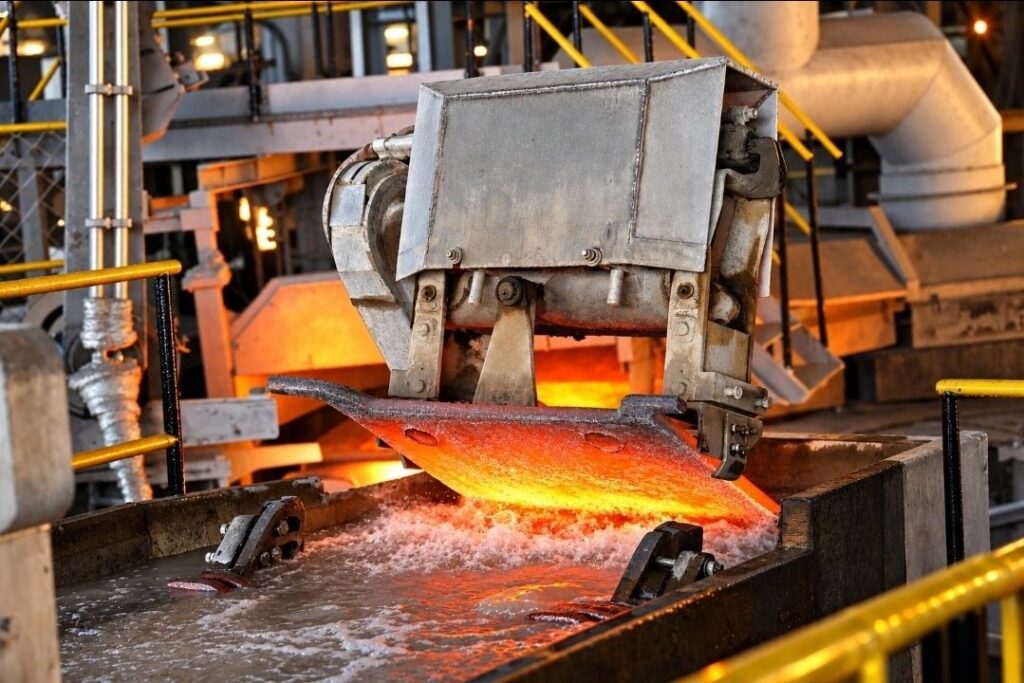
KCM announced the restart on 21 September 2026, confirming that the smelter had successfully cast its first copper anode following a 106-day shutdown.
The rehabilitation included major works on the flash smelting furnace and slag-cleaning furnace, an upgrade of the anode casting wheel, repairs to the waste-heat recovery boiler and electrostatic precipitators, as well as improvements to the sulphuric acid and oxygen plants.
KCM Deputy Chief Executive Officer Satish Kumar said the rehabilitation reflects Vedanta Resources’ continued commitment to rebuilding and strengthening KCM’s operational assets through sustained investment, technical expertise and stronger maintenance practices.
More than 1,500 KCM employees and business partner personnel were involved in the rehabilitation programme, giving the project a wider local-content dimension as Zambia implements new rules aimed at increasing domestic participation in the mining value chain.
The Geological and Minerals Development (Preference for Zambian Goods and Services) Regulations, 2025, which took effect on 1 January 2026, require mining and mining-related companies to progressively increase procurement from qualifying local companies.
The first threshold requires at least 20% of annual procurement expenditure on core mining goods and services to be directed to local companies by 30 June 2026, rising progressively to a minimum of 40% within five years.
For projects such as the Nchanga rehabilitation, the emerging question is therefore not only how much capital is being invested, but how much of the associated procurement, technical work and supplier opportunity can increasingly be captured by Zambian businesses.
Why it matters
The restart feeds directly into the wider capacity conversation around Zambia’s ambition to produce 3 million tonnes of copper annually by 2031.
Reaching that level will depend on more than increased mine output. Smelting, refining, power, road and rail capacity, storage and export corridors will all need to scale alongside production.
The return of Nchanga therefore restores an important piece of existing processing capacity while highlighting two interconnected challenges: whether Zambia can build enough physical infrastructure to handle higher copper volumes, and whether local businesses can build enough capacity to participate meaningfully in the investment required to get there.
For Logistics Now, that is the capacity conversation worth watching: as Zambia builds towards 3 million tonnes, where are the processing, power and logistics constraints that could become the next bottleneck?