





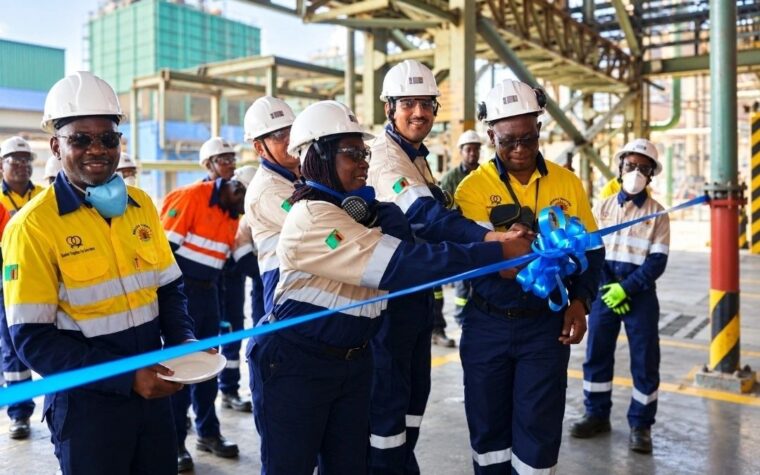
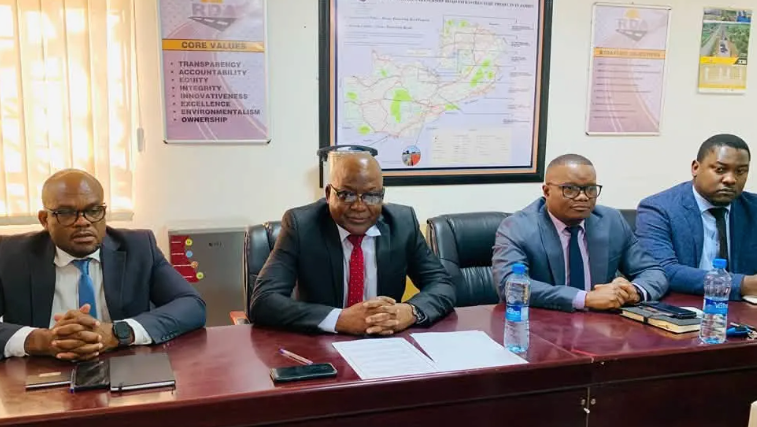



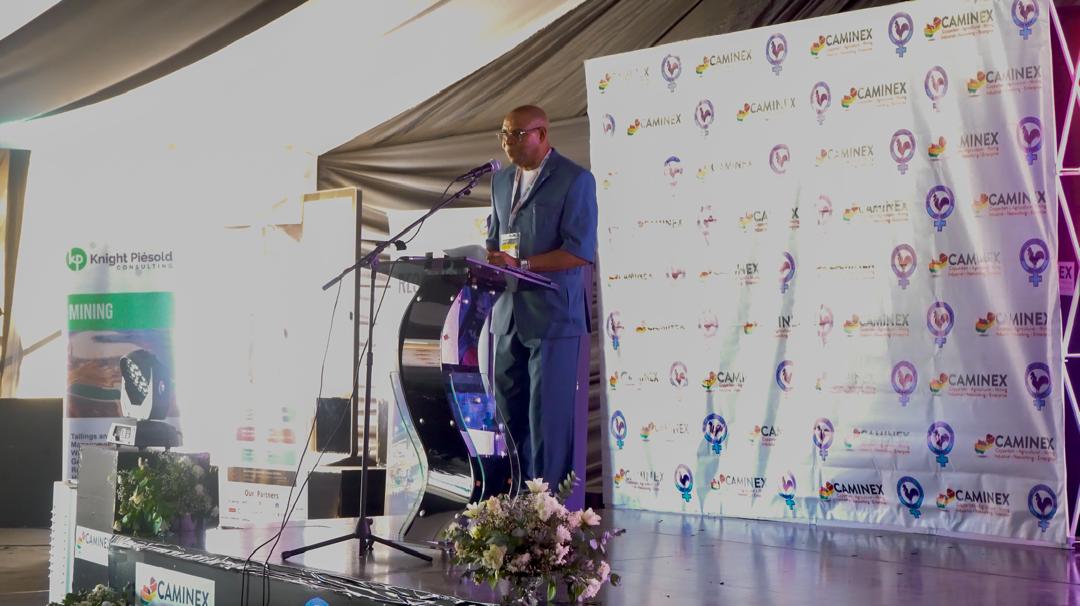
Speaking during the official opening ceremony of the CAMINEX Expo in Kitwe, the Governor of the Bank of Zambia, representing the President of the Republic of Zambia, Hakainde Hichilema, delivered a clear message to delegates: Zambia’s mining sector is growing—and with it, the stakes for the broader economy.
But beyond the headline growth figures lies a more practical question for industry players: can Zambia’s logistics systems keep pace with this expansion?
Mining Growth Signals Rising Logistics Demand
Addressing delegates, the Governor emphasised the central role mining continues to play in Zambia’s economic performance.
“Mining continues to contribute significantly to export earnings, employment creation, infrastructure development, and foreign direct investment,” he said.
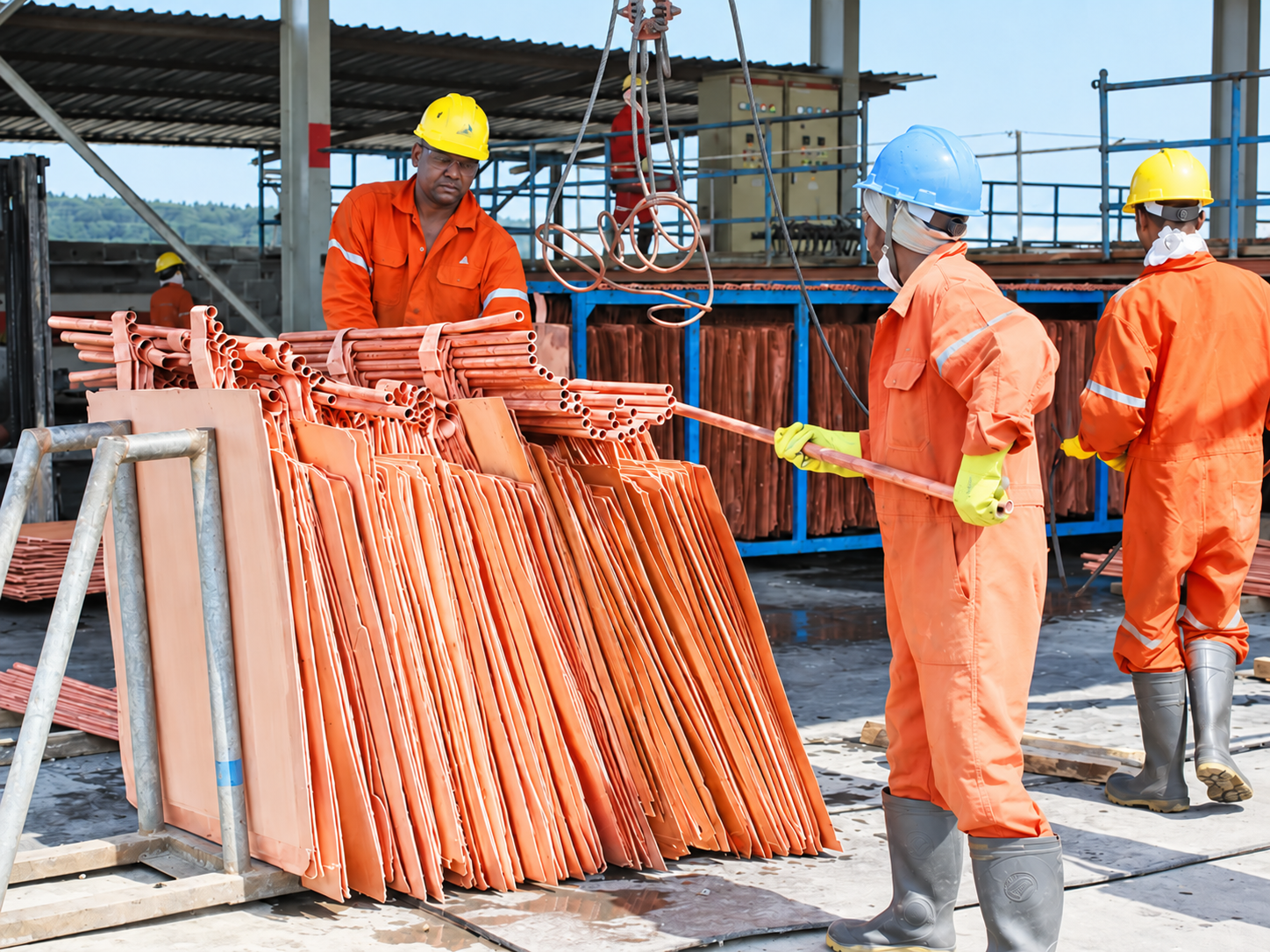
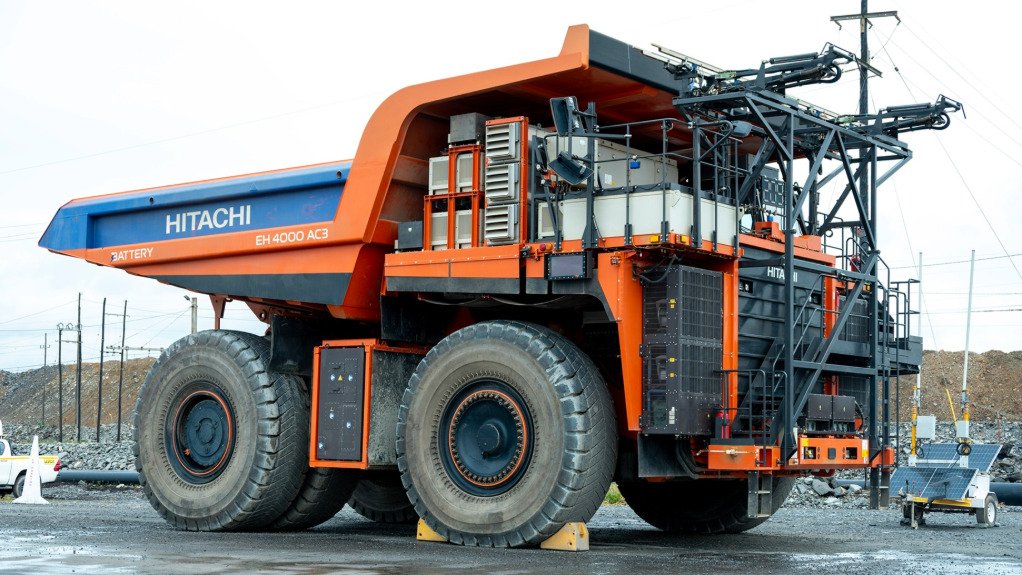
He further noted that copper production has increased from approximately 825,000 metric tonnes in 2024 to over 890,000 metric tonnes in 2025—an 8% rise driven by key operations such as Kansanshi Mine and Lubambe Copper Mine.
For the logistics sector, this growth translates directly into increased demand for:
- Bulk mineral transport
- Rail and road freight capacity
- Cross-border trade efficiency
- Corridor and port optimisation
As output rises, the ability to move minerals efficiently from mine to market becomes just as critical as extraction itself.
New Mining Frontiers, New Corridor Pressures
The Governor pointed to expanding mining activity beyond traditional hubs:
“From the historic mines of the Copperbelt to the emerging opportunities in Northwestern Province and beyond, the mining sector continues to shape our economy.”
This geographic expansion introduces new logistics demands. Emerging mining regions require:
- Upgraded road infrastructure
- Strengthened rail connectivity
- Efficient border systems
- Strategic storage and consolidation hubs
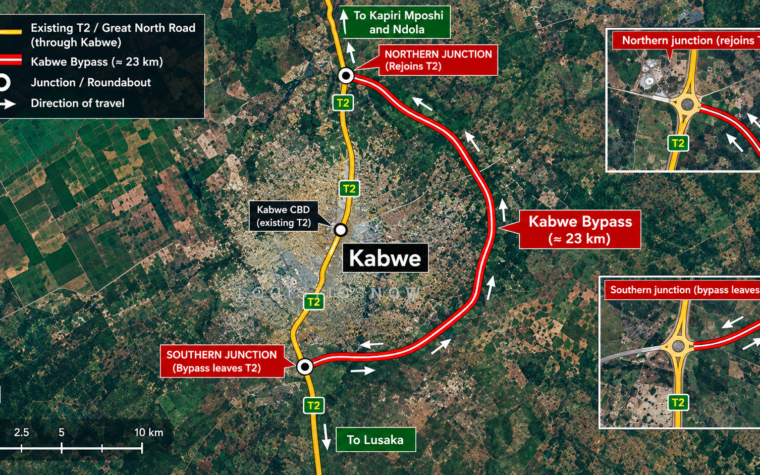
Without corresponding investment in logistics infrastructure, increased production risks creating bottlenecks along Zambia’s key transport corridors.
Local Participation Opens Doors for Logistics Players
A key highlight of the address was government’s push to deepen citizen participation in the mining value chain through Statutory Instrument No. 68.
“Government enacted statutory instrument number 68 aimed at increasing participation of citizens in the mining supply chain, enhancing value addition, and fostering the regulations,” the Governor said.
For Zambia’s logistics sector, this presents a significant opportunity. Local transporters, warehouse operators, and supply chain service providers are better positioned to participate in:
- Mine-to-market logistics
- Input supply chains
- Value-added services such as storage and distribution
This policy direction signals a shift—placing logistics at the centre of economic inclusion and industrial growth.
Energy: A Critical Enabler of Logistics Efficiency
The Governor also underscored the importance of energy in sustaining both mining and logistics operations.
“Reliable and affordable energy remains critical to increasing mining output, agricultural output, supporting industrialisation… and ensuring the long-term competitiveness of the sectors.”
Ongoing investments in hydropower and alternative energy sources, including solar, are expected to support this demand. For logistics operators, energy reliability directly affects:
- Fleet and fuel operations
- Warehousing and cold chain infrastructure
- Digital systems and tracking technologies
From Production to Value Delivery
The broader message from CAMINEX is clear: Zambia’s economic transformation will depend not just on production, but on how effectively goods move across the value chain.
“Government is taking deliberate efforts to collaborate with various players… to accelerate its economic transformation agenda.”
For logistics stakeholders, this presents both a challenge and an opportunity.
As mining output grows and new regions come online, the logistics sector will play a defining role in ensuring that Zambia’s resource wealth translates into real, inclusive economic value.
Because ultimately, it is not just what Zambia produces—but how efficiently it moves it—that will shape the country’s growth trajectory.