




















New funding commitments signal growing momentum behind a transport corridor that could reshape Zambia’s freight landscape.
The Lobito Corridor has long been viewed as one of Africa’s most transformative transport infrastructure projects. Now, with the signing of key financing agreements involving Zambia and its development partners, the project appears to be moving closer to implementation.
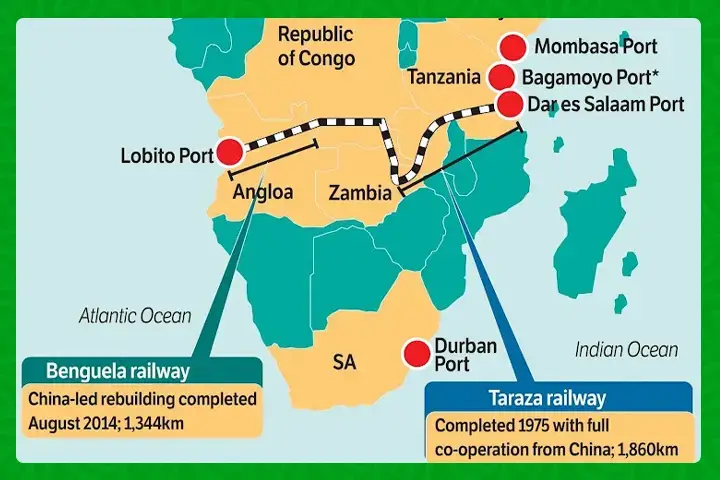
The agreements, announced by the Ministry of Finance and National Planning, are expected to support the development of critical infrastructure associated with the Lobito Corridor, a strategic trade route linking Zambia and the Democratic Republic of Congo to Angola’s Port of Lobito on the Atlantic Ocean.
For Zambia’s transport and logistics sector, the significance of the development extends beyond infrastructure financing.
The country is positioning itself as a regional logistics hub at a time when demand for efficient transport solutions is growing rapidly. Increased mining investment, expanding regional trade, and rising demand for critical minerals are placing greater pressure on existing transport networks and highlighting the need for additional export corridors.
The Lobito Corridor presents an opportunity to diversify Zambia’s access to international markets while strengthening regional connectivity.
Once completed, the corridor is expected to provide an alternative route for exports and imports, reducing reliance on traditional transport corridors and potentially improving supply chain resilience for businesses operating across the region.
For freight operators, logistics service providers, warehousing companies and investors, the project could unlock new opportunities throughout the transport value chain. Rail infrastructure development, inland logistics facilities, dry ports, warehousing capacity and cross-border services are all expected to play a role in supporting increased trade flows along the corridor.
The financing agreements also send an important signal to the market.
Large-scale transport infrastructure projects often depend on strong partnerships between governments, development finance institutions and private sector investors. The latest commitments demonstrate growing confidence in the corridor’s economic potential and its role in supporting regional trade and industrial development.
While substantial work remains before the corridor becomes fully operational, the agreements represent an important milestone in the project’s development journey.
For Zambia, they reinforce a broader ambition: transforming the country’s geographic position from a landlocked challenge into a logistics advantage.
As investment momentum continues to build around the Lobito Corridor, the transport and logistics sector will be watching closely to see how quickly plans translate into construction, connectivity and, ultimately, increased trade.