












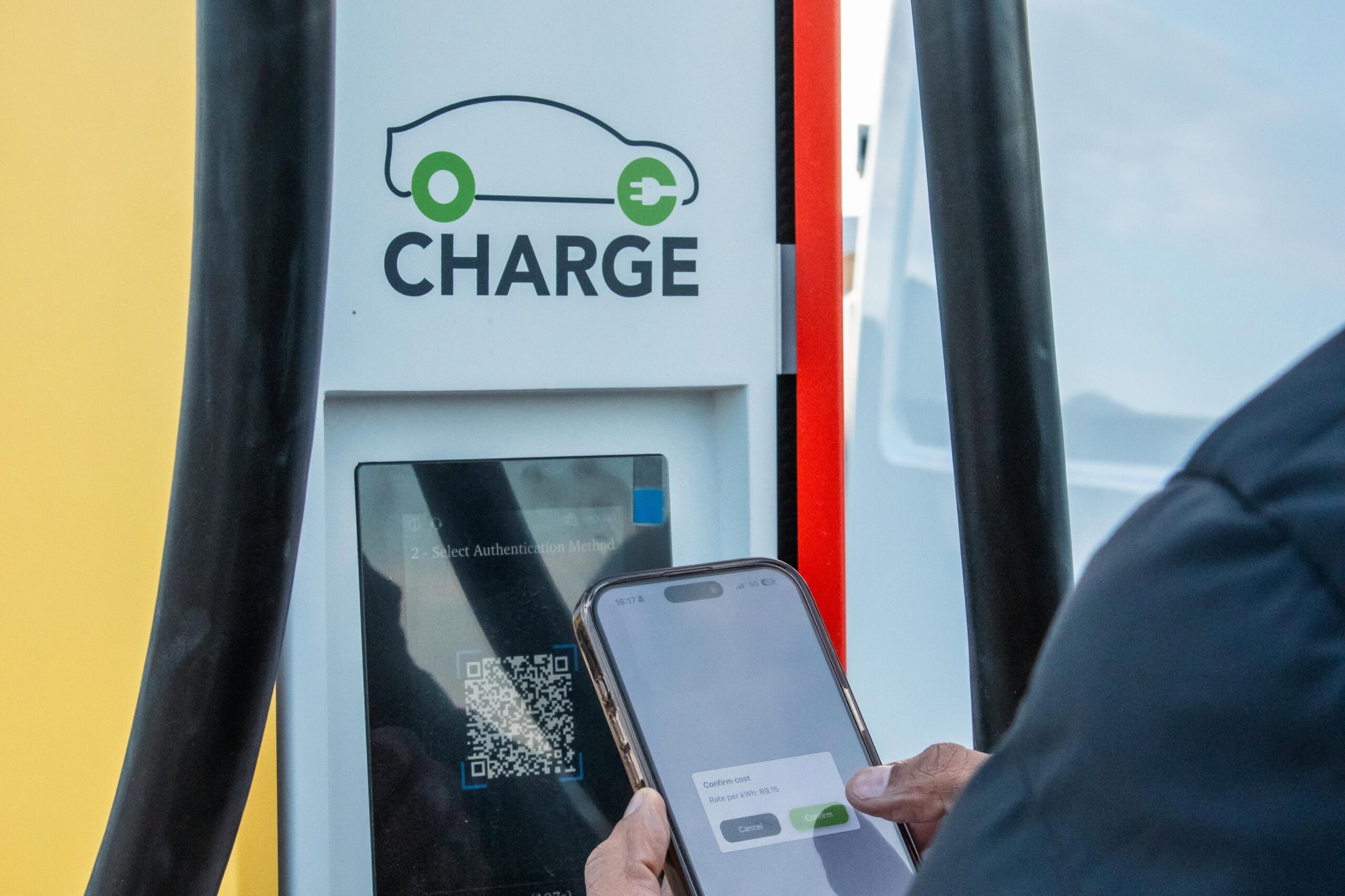
South Africa has reached a major electric mobility milestone with the launch of the country’s first fully off-grid electric vehicle charging network.
CHARGE has opened its first two solar-powered EV charging stations along the N3 route, marking the beginning of what the company says will become a national network of off-grid charging sites.
The first station is located at the Reitz Interchange in the Free State, while the second has opened at the Colenso–Winterton Interchange in KwaZulu-Natal. Both stations are positioned along the busy Johannesburg–Durban route, one of South Africa’s most important national corridors.
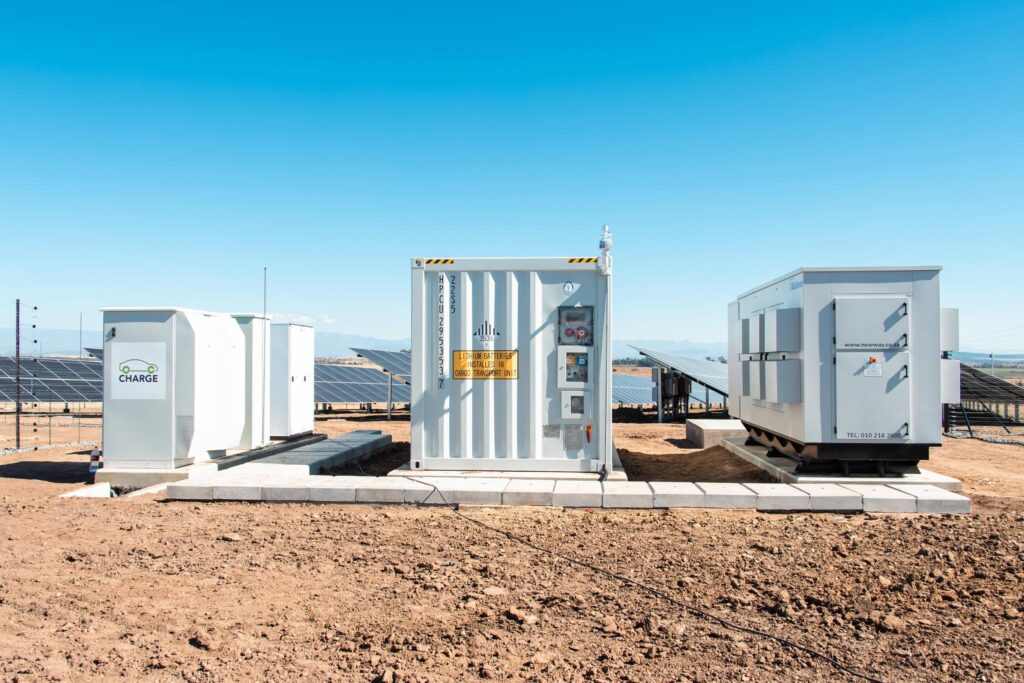
Unlike conventional charging stations that depend on the electricity grid, CHARGE’s sites operate independently using solar-powered microgrids and battery storage. This allows the stations to generate and store their own electricity, reducing pressure on the national grid while giving EV users access to reliable charging along long-distance routes.
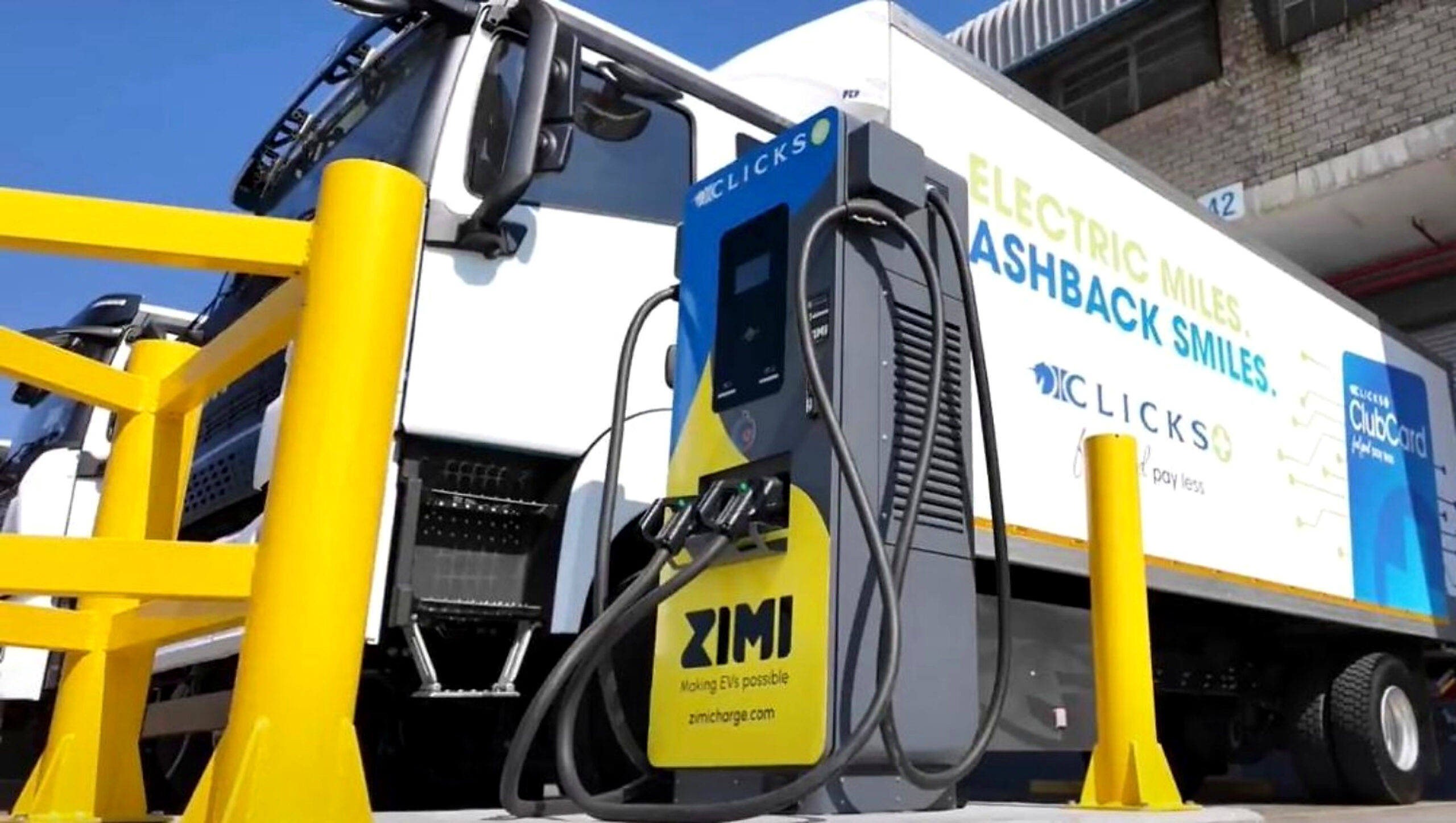
Each station is equipped to charge up to eight vehicles at the same time. The sites include both DC fast chargers and AC chargers, giving motorists different charging options depending on their vehicle type and charging needs.
According to CHARGE, a typical electric vehicle can be charged from 20% to 80% in about 30 minutes, although charging times may vary depending on the vehicle model and battery size.
The rollout has been supported by a R100-million investment from the Development Bank of Southern Africa. The funding is expected to help CHARGE expand its off-grid charging network across key national routes.
Following the launch of the two N3 sites, the company plans to expand next to the N1 route. CHARGE says it is working towards developing 60 additional charging stations before eventually scaling up to a national network of 120 sites.
The company’s model is designed to address two of the biggest concerns around electric vehicle adoption in South Africa: charging availability and electricity reliability.
By using solar energy and battery storage, the charging stations can operate without depending on Eskom’s grid supply. This could make off-grid EV charging an important part of South Africa’s clean mobility future, especially as more motorists begin considering electric vehicles.
The launch also comes at a time when South Africa is working to expand its renewable energy capacity and reduce emissions across different sectors of the economy.
For EV adoption to grow, however, motorists need confidence that charging infrastructure will be available beyond major cities. CHARGE’s off-grid network is aimed at closing that gap by placing charging stations along high-traffic routes and making long-distance EV travel more practical.
The launch of the first two stations marks an early step in that direction, but it also signals a broader shift in how South Africa may build charging infrastructure in the years ahead.
Instead of waiting for grid capacity to improve, off-grid charging offers a different approach: generating clean energy where it is needed and using battery storage to keep stations operational.
As CHARGE expands its network, the project could help accelerate the country’s transition towards cleaner transport while giving electric vehicle users more freedom to travel across longer distances.
For now, the opening of the first two sites represents a significant moment for South Africa’s EV market — and a practical demonstration of how solar-powered charging could support the next phase of electric mobility.