






If you have spent any amount of time in South Africa for business or leisure, you have probably ordered takeout through the Mr D (formerly Mr Delivery) app. If you have, then you my friend, had the proverbial e-commerce dance with the Takealot Group.
Takealot’s first full-year profit is being celebrated as a major e-commerce milestone.
And rightly so.
For the year ended 31 March 2026, Takealot Group reported its first full-year adjusted operating profit, with adjusted EBIT of about US$11 million. According to Naspers, the group also hit US$1 billion in revenue, up 18%, marking a major milestone for South Africa’s homegrown e-commerce ecosystem.
But look a little closer, and the story becomes even more interesting.
This is not just a story about online shopping finally turning profitable. It is a story about what happens when an e-commerce business spends 15 years building the logistics infrastructure needed to make digital commerce work at scale.
Fifteen years ago, Takealot started in a small room in Goodwood, Cape Town.
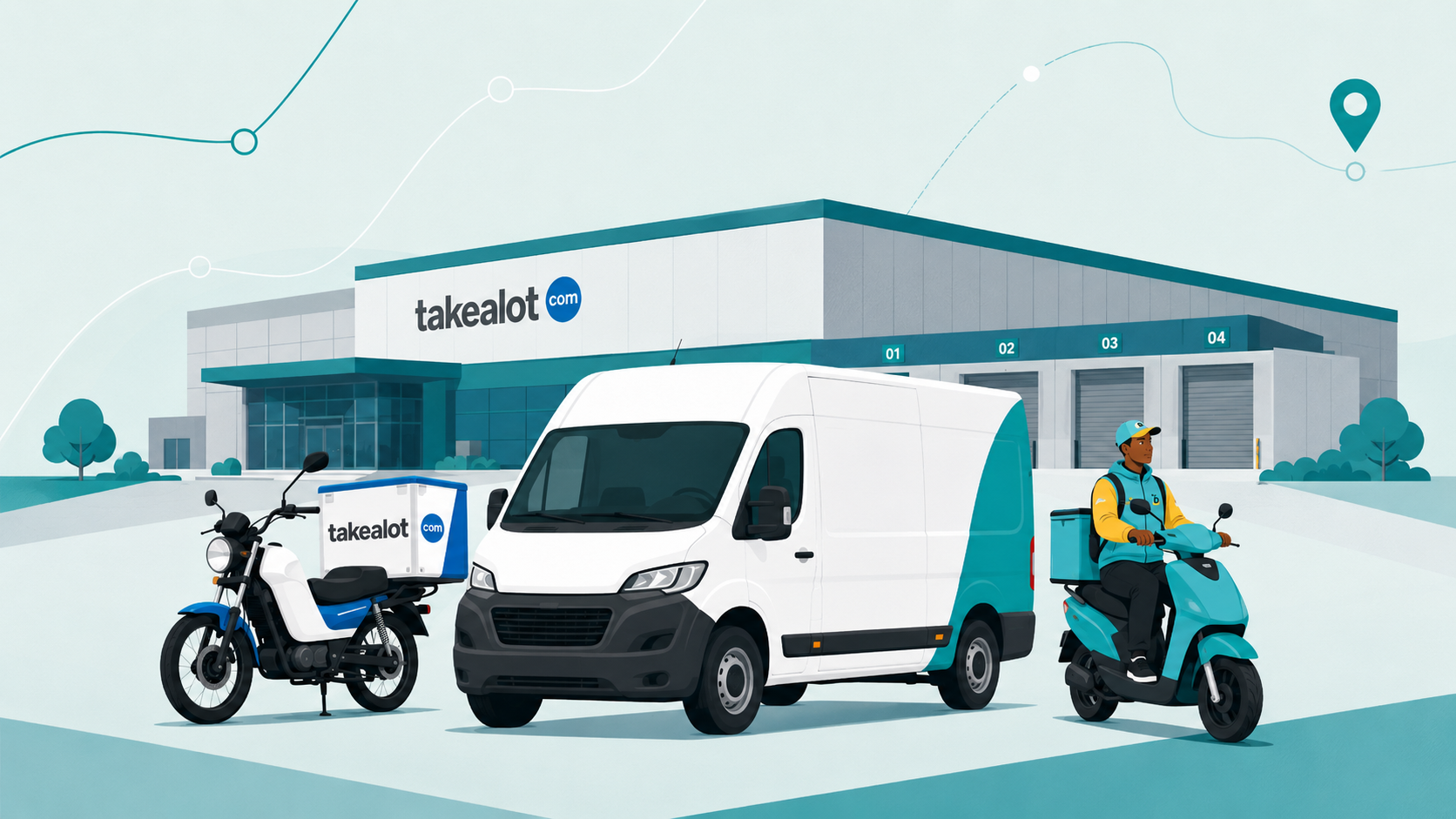
Today, it has grown into a homegrown South African technology and commerce ecosystem with three core businesses: Takealot.com, Mr D and Takealot Fulfilment Solutions.
The profit we are seeing now did not arrive overnight.
It was built over time.
Fulfilment centre by fulfilment centre. Route by route. Seller by seller. Driver by driver. Customer by customer.
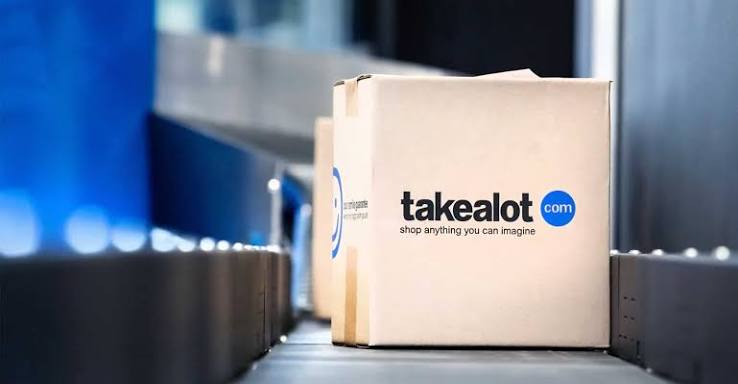
Big Idea: What Zambia’s E-Commerce Market Can Learn from Takealot
Takealot’s first full-year profit shows that e-commerce profitability is not built by the website alone. It is built by the infrastructure behind the website.
For Zambia’s emerging e-commerce landscape, the lesson is clear: digital retail will only scale sustainably when the logistics layer becomes reliable, affordable and trusted.
The opportunity is not just to build more online shops. The bigger opportunity is to build the logistics infrastructure that allows Zambian businesses to sell, deliver and grow beyond their immediate geography.
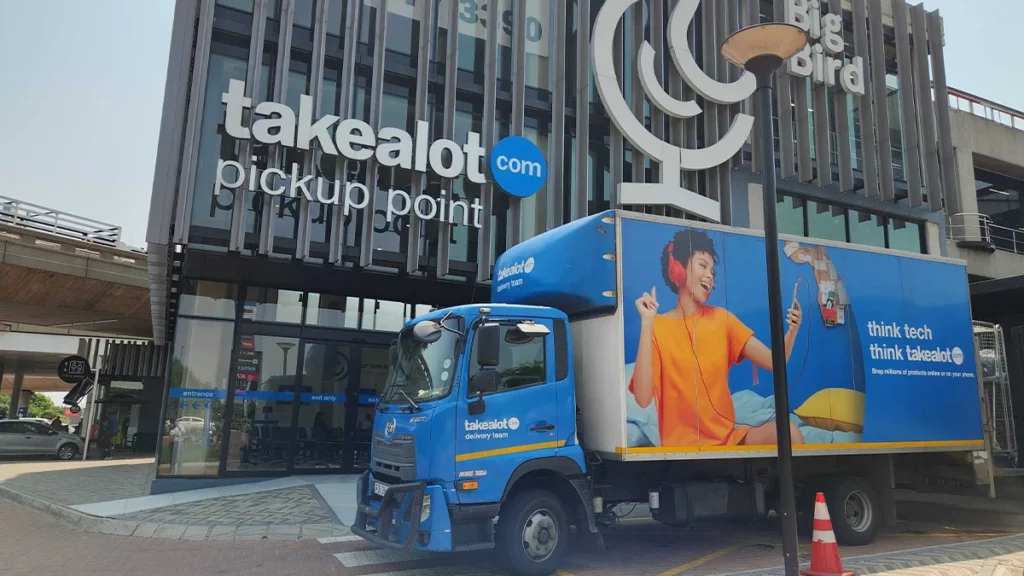
E-commerce is digital at the front, but physical at the back
It is easy to think of e-commerce as a technology story.
The app. The website. The payment system. The checkout page. The user experience.
All of that matters.
But once a customer clicks “buy,” the business stops being purely digital. It becomes very physical.
A product has to be stored. Picked. Packed. Labelled. Routed. Delivered. Tracked. Returned if necessary. Reconciled with the seller. Supported when something goes wrong.
That is the hard part of e-commerce.
And that is why Takealot’s first full-year profit is really a logistics story.
The platform may win the order online, but the infrastructure has to fulfil the promise offline.
The warehouse came before the profit
The temptation is to look at Takealot’s profitability as a financial result.
But it is better understood as the outcome of an operating system that has been built over time.
Before the profit showed up on the balance sheet, the company had to build the backbone behind the transaction: fulfilment centres, delivery networks, seller systems, last-mile capacity, route density, technology platforms, returns processes and customer trust.
That work is rarely glamorous.
But it is the part that determines whether e-commerce can scale.
If orders grow faster than fulfilment capacity, the customer experience breaks. If delivery is unreliable, trust breaks. If returns are difficult, repeat behaviour breaks. If sellers cannot access efficient fulfilment, marketplace growth slows.
Takealot appears to have understood something important: in African markets, you cannot simply build a digital storefront and hope the physical system catches up.
You have to build the physical system too.
The real infrastructure is also human
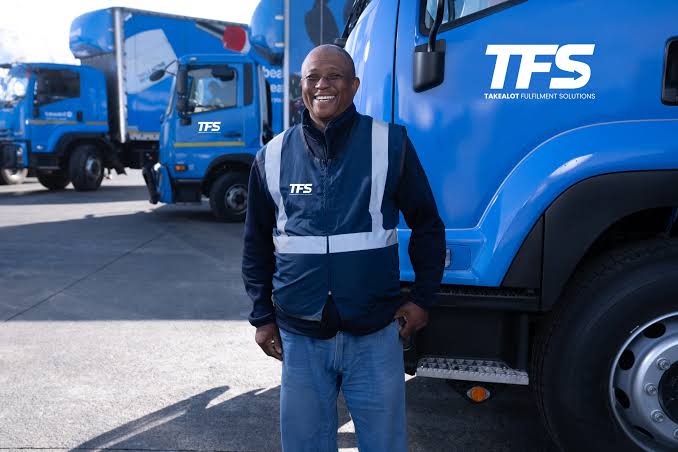
When Takealot speaks about its ecosystem today, it is not only talking about technology and warehouses. It is talking about people.
More than 30,000 small businesses, sellers and brands. Around 17,000 driver partners. About 12,500 personal shoppers.
Those numbers matter because they make the infrastructure visible.
The logistics infrastructure behind e-commerce is not just made of buildings, software and vehicles. It is also made of livelihoods, routines, skills, routes, relationships and trust.
Every driver partner represents last-mile capacity. Every personal shopper represents fulfilment execution. Every seller represents marketplace depth. Every returning customer represents trust earned through repeated delivery.
The platform creates demand. The sellers provide supply. The fulfilment network connects the two. The driver network completes the promise.
And when that model begins to work at scale, the economics begin to change.
The Takealot lesson for Zambia: delivery is only one layer
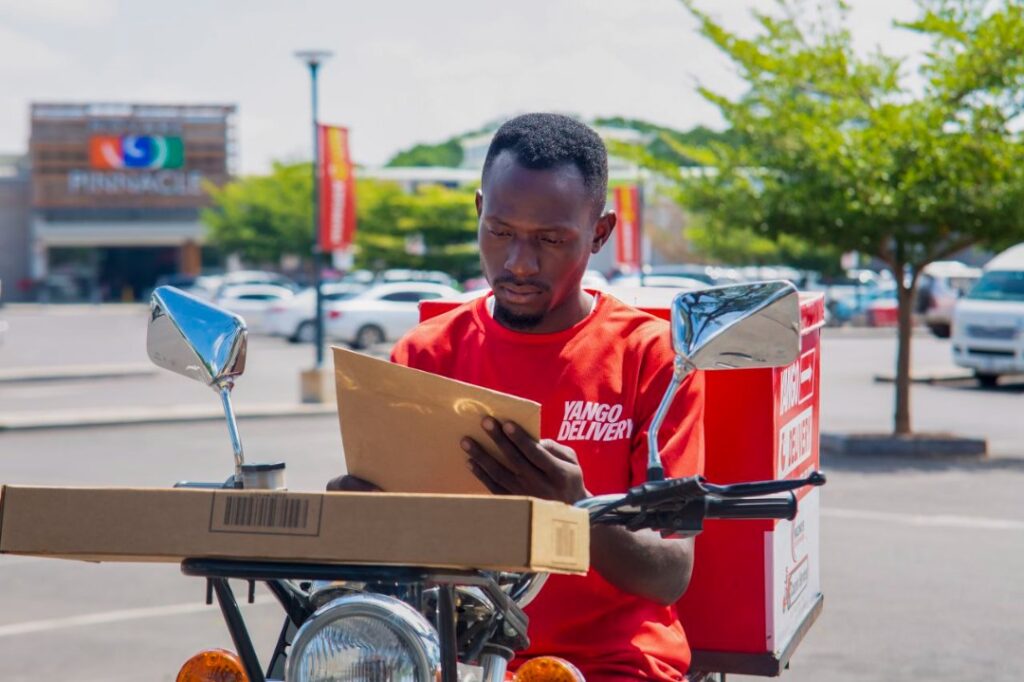
In Zambia, platforms such as Yango are already helping to build parts of this future.
Yango Deli has helped create access to food and grocery delivery in Lusaka, while Yango Delivery is expanding the movement of goods through services such as courier and cargo delivery.
That matters.
It gives consumers and businesses access to delivery capacity without needing to build it themselves.
But the Takealot story shows that delivery access is only one layer of the e-commerce stack.
The deeper opportunity is to build an integrated logistics operating system: fulfilment centres, seller tools, inventory visibility, payment-to-delivery trust, returns management, route density, last-mile reliability, driver networks, personal shoppers and customer support all working together.
That is what makes the Takealot model instructive.
The next phase of e-commerce will not be won only by whoever can deliver fastest. It will be won by whoever can help businesses sell better, store better, fulfil better, deliver better, manage returns better and build customer trust at scale.
Yango may be helping create the delivery habit.
But the Takealot lesson is that the real long game is building the full infrastructure behind the transaction.
The Logistics Now takeaway
Takealot’s first full-year profit is worth celebrating. But the better business lesson is to look backwards. The profit is the result of years of investment, learning, operational discipline and infrastructure building.
For Zambia and the wider region, the lesson is simple. The future of e-commerce will not be won by the company with the best-looking app alone. It will be won by the business that can move goods reliably, repeatedly, affordably and at scale.
Takealot’s first full-year profit is not just an e-commerce win. It is a reminder that in African markets, the real long game is infrastructure. And when that infrastructure starts working, the business does not just grow.
It compounds.