














The Energy Regulation Board’s (ERB) May 2026 fuel price review once again brings into focus a reality Zambian businesses know well: fuel prices are not static—they move with the market, month by month. While petrol prices remained unchanged, increases in diesel, kerosene, and Jet A-1 are set to ripple across key sectors of the economy.
This monthly pricing mechanism is designed to reflect global oil market dynamics in real time. However, it also introduces a level of uncertainty for businesses, particularly those reliant on fuel for transport, logistics, and production. Planning becomes more complex when a key input cost can shift every 30 days.
Understanding the Pressure Points
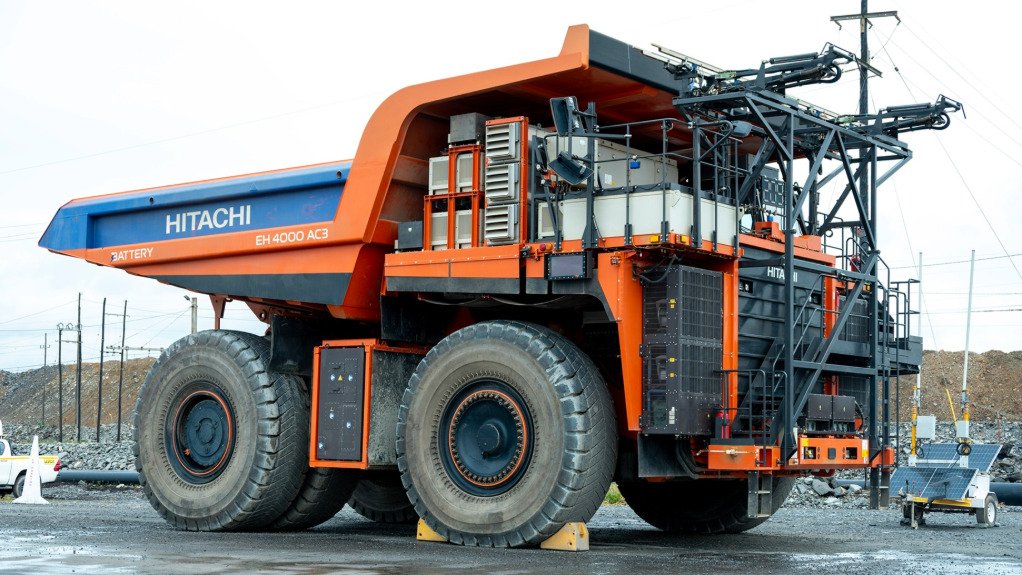
The recent increase in diesel—widely used across heavy transport and industry—will inevitably raise operational costs for many businesses. Sectors such as mining, agriculture, and manufacturing are especially exposed, given their reliance on fuel-intensive processes.
At the same time, the stability in petrol prices offers a degree of relief, particularly for small businesses and light transport operators. This balance reflects a measured approach, cushioning some segments of the economy while still aligning prices with global trends.
Instability, but Also Responsiveness
The monthly review cycle can create short-term instability, but it also ensures responsiveness. Zambia avoids the risk of prolonged price distortions by adjusting regularly, allowing both increases and reductions to be reflected more quickly than in fixed-price systems.
This responsiveness is important. In periods where global oil prices soften or the kwacha strengthens, businesses stand to benefit from lower fuel costs—at least in principle.
The “Rocket Up and Feather Down” Effect
However, a key challenge lies in how these benefits are transmitted through the economy. Finance leader Andrew Chibuye has described this dynamic as the “rocket up and feather down” effect: prices tend to rise quickly like a rocket when costs increase, but fall slowly like a feather when costs decline.
This asymmetry can dilute the positive impact of fuel price reductions. While cost increases are often passed on to consumers almost immediately, the reverse tends to take longer, meaning that businesses and households do not always feel the full benefit of lower fuel prices as quickly as they should.
Addressing this requires a conscious effort across value chains. Faster pass-through of cost savings—whether in transport fares, goods pricing, or service charges—can help stimulate demand, improve consumer confidence, and ultimately support broader economic activity.
Turning Pressure into Opportunity
Despite the challenges, the current environment also presents an opportunity for businesses to strengthen resilience. Rising fuel costs often encourage greater efficiency—optimising logistics, reducing waste, and investing in more energy-efficient operations.
Over time, these adjustments can lead to leaner, more competitive businesses.
Looking Ahead
Fuel price movements will remain a feature of Zambia’s economic landscape, shaped by global markets and domestic conditions. The key for businesses is not to resist this reality, but to adapt to it.
At the same time, there is an opportunity for the market to respond more symmetrically—ensuring that when fuel prices ease, the benefits are felt just as quickly as the increases.
In doing so, Zambia can strike a more balanced path—one that supports both business sustainability and consumer welfare in an ever-changing environment.