




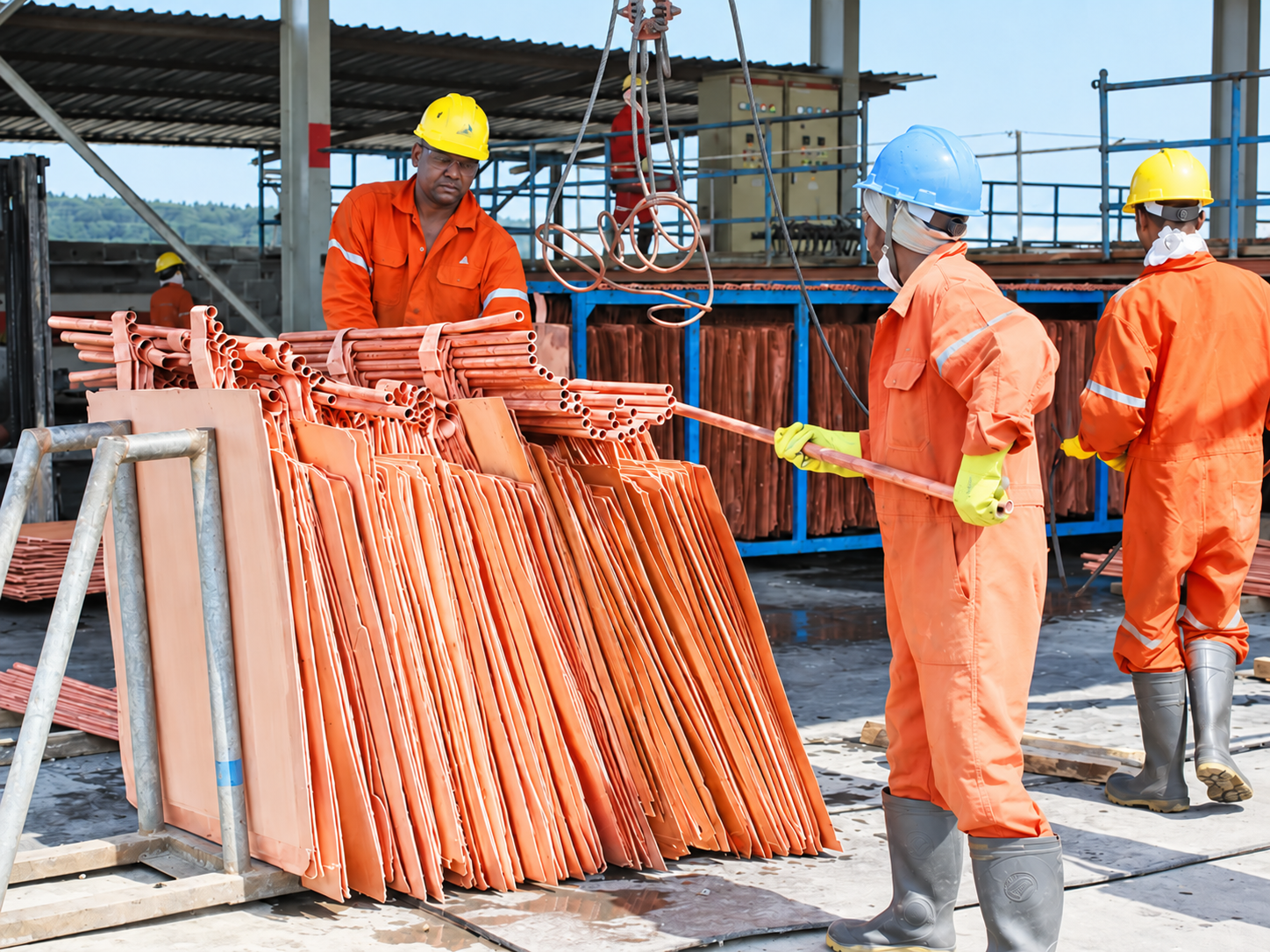
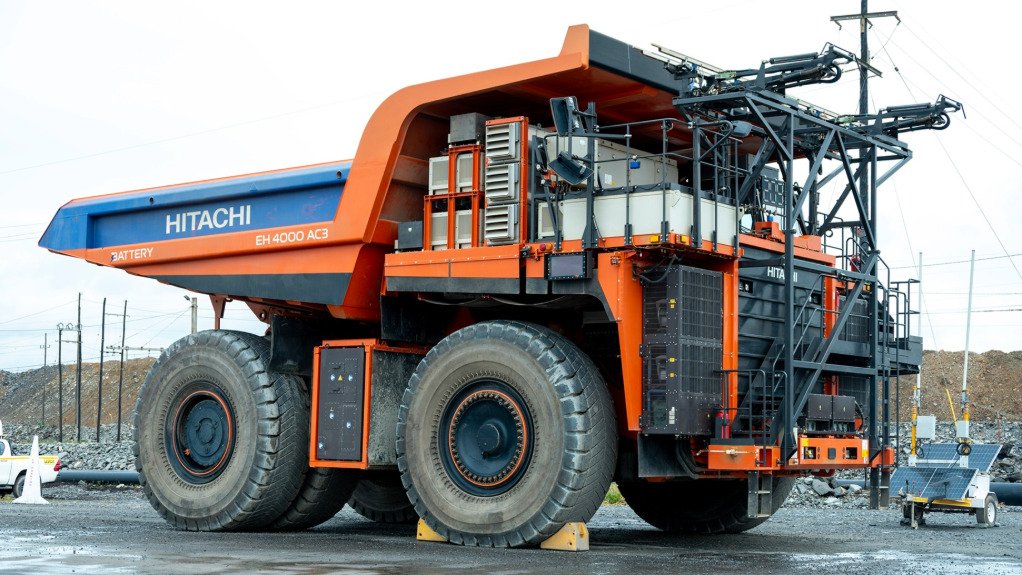
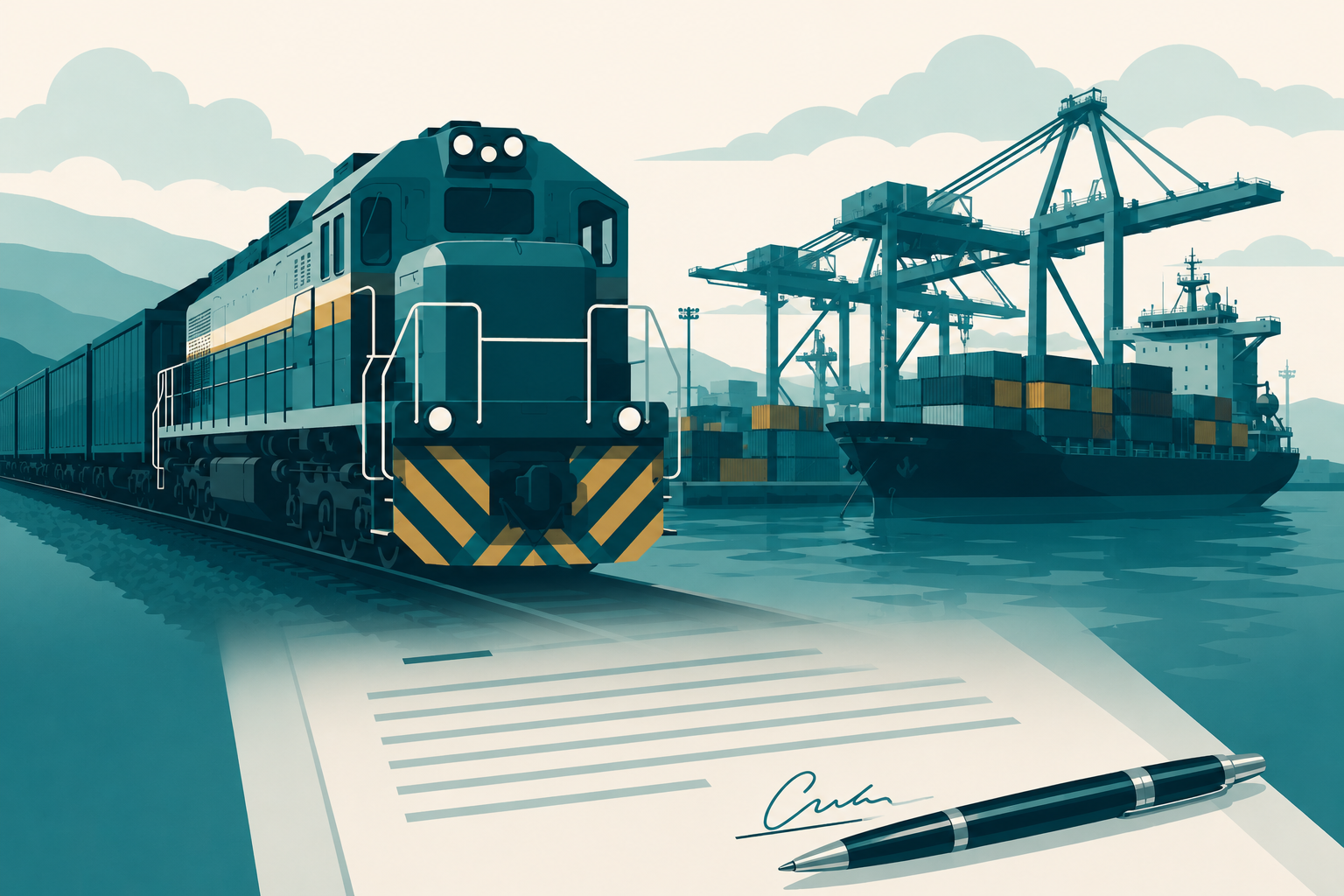




A new joint venture between Seneca Commodities and LVC Global is set to reshape how critical minerals are traded and moved across emerging frontier markets like Zambia.
The partnership brings together trading expertise and on-the-ground market access, with a shared focus on improving efficiency across the supply chain—from sourcing and aggregation to delivery into global markets.
The initiative is being led by C. Derek Campbell and Maybin Mudenda, whose organisations are aligning their capabilities to unlock more structured and efficient mineral trade flows.
“We see enormous potential in frontier markets where mineral demand is growing but supply chains still face significant inefficiencies,” said Campbell. “This partnership is about creating stronger commercial pathways between producers and international markets while improving reliability across the value chain.”
Mudenda said the collaboration reflects a growing need for integrated approaches in commodity trading and logistics.
“Critical minerals markets are evolving rapidly, and producers increasingly need partners who understand both the local operating environment and the complexities of global trade,” he said. “By combining regional expertise with international reach, we believe this venture can help create more efficient and responsive supply chains.”
A More Coordinated Approach to Commodity Trading
As demand for critical minerals continues to grow—particularly those linked to energy transition and industrial development—the need for more structured and responsive trading models is becoming increasingly clear.
This joint venture is designed to address that gap by aligning trading operations more closely with logistics and market intelligence. The result is expected to be smoother transaction flows, better price discovery, and more reliable delivery timelines.
Rather than operating in silos, the model leans toward integration—connecting producers, traders, and logistics providers in a more coordinated way.
Why Logistics Sits at the Centre
At its core, commodity trading is only as strong as the logistics systems that support it.
Moving minerals across borders and into international markets requires:
- Consistent transport capacity
- Efficient routing and corridor management
- Reliable storage and handling infrastructure
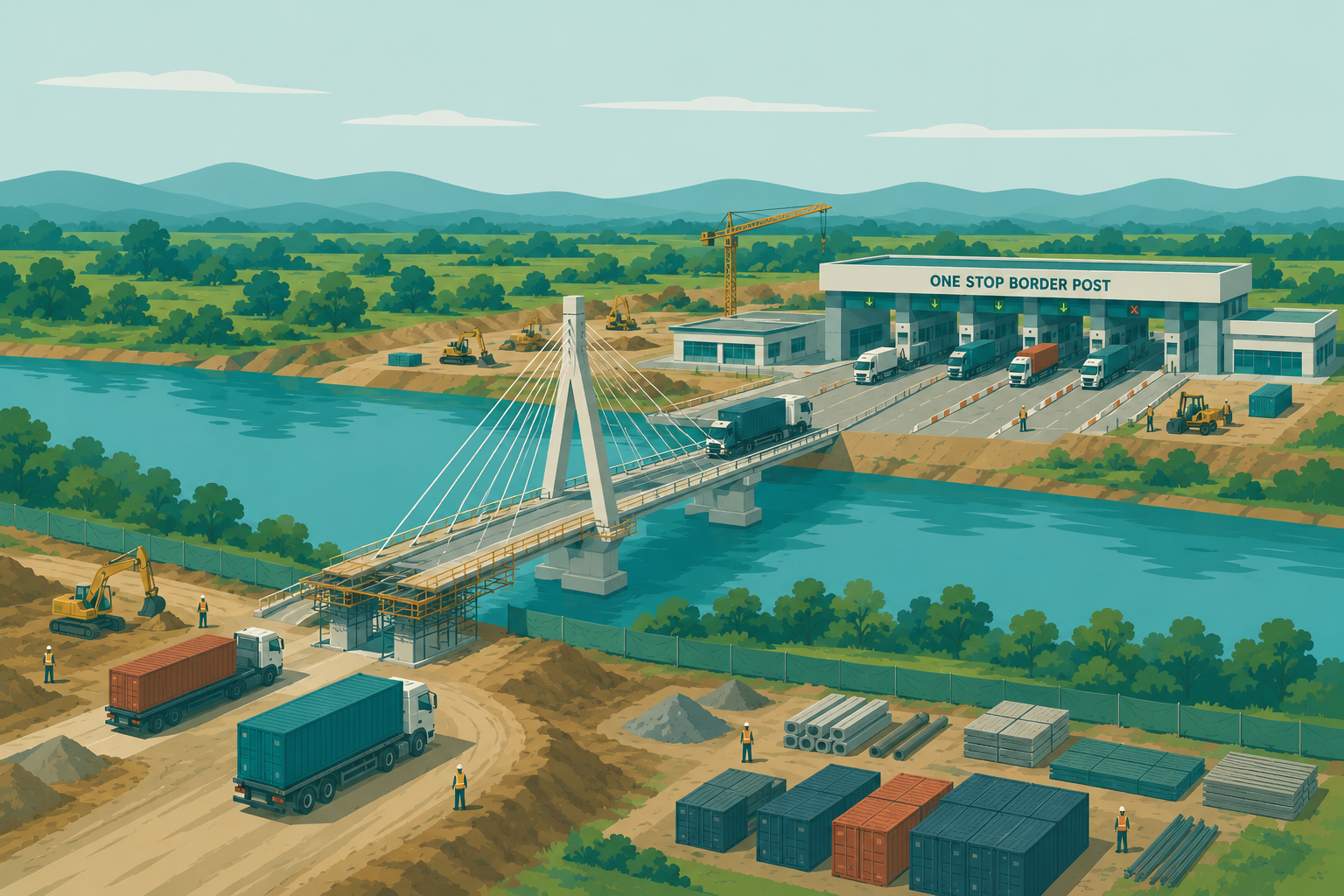
- Streamlined customs and clearance processes
By strengthening the link between trading and logistics, the JV is positioning itself to reduce inefficiencies that often slow down mineral flows in frontier markets.
For logistics providers, this signals a shift in expectations—from standalone transport services to integrated, end-to-end supply chain solutions.
Responding to Changing Market Dynamics
Global demand patterns are evolving, with buyers placing greater emphasis on reliability, traceability, and speed to market. Frontier markets—like Zambia and others across Africa—offer significant resource potential but often face challenges linked to fragmented supply chains.
This partnership reflects a growing recognition that improving coordination across the value chain is essential to unlocking these markets.
With better alignment between sourcing, trading, and logistics, there is potential to reduce delays, manage risks more effectively, and create more predictable supply flows.
Looking Ahead: More Integrated Supply Chains
The formation of this joint venture points to a broader trend in the commodities space—one where trading, logistics, and financing are becoming more closely linked.
As supply chains grow more complex, success will depend on the ability to connect these moving parts seamlessly.
For industry players, the takeaway is clear: efficiency is no longer just about scale—it’s about how well systems, partners, and processes work together.
And in that evolving landscape, integrated approaches like this one are likely to become the norm rather than the exception.