

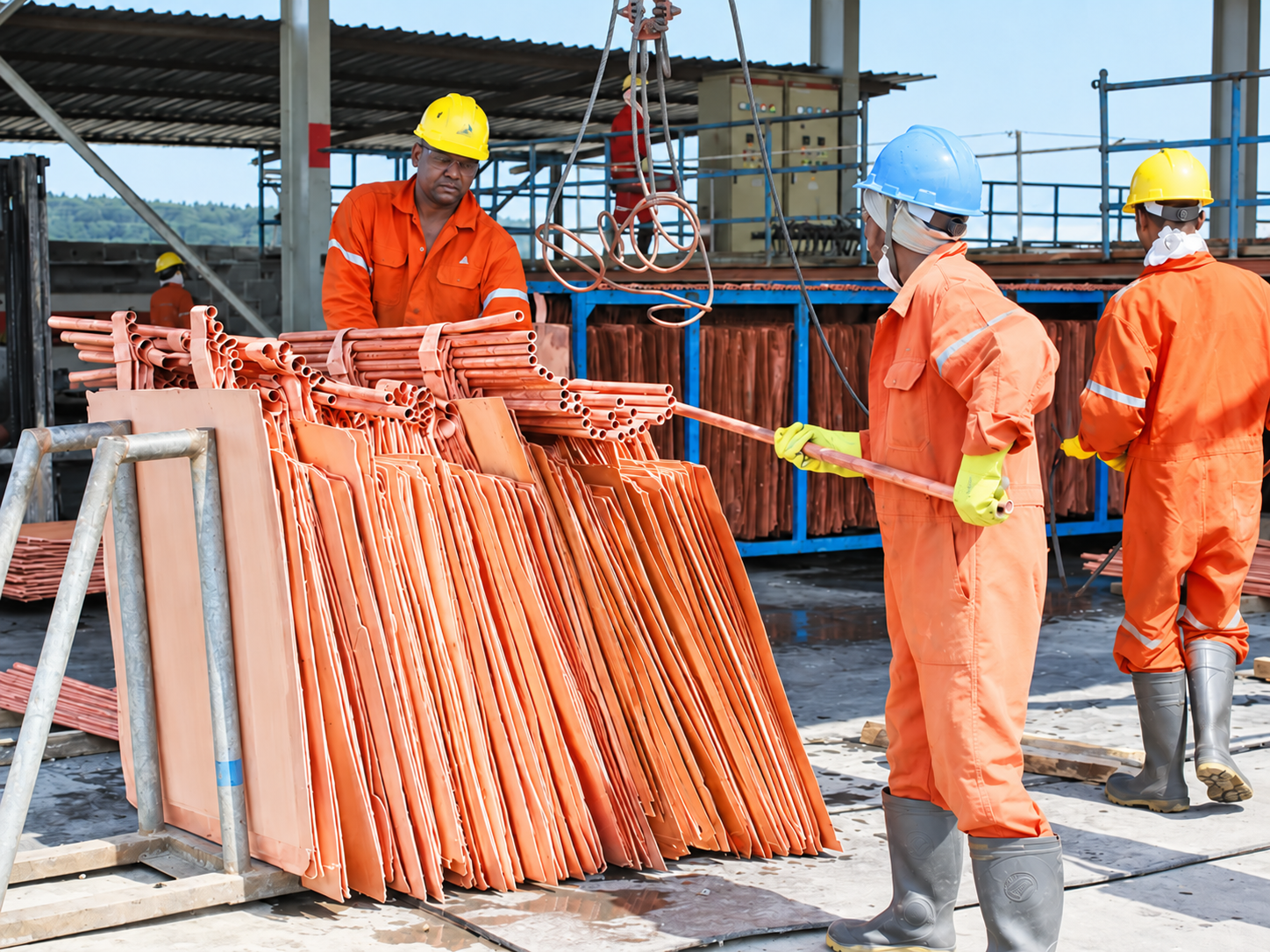
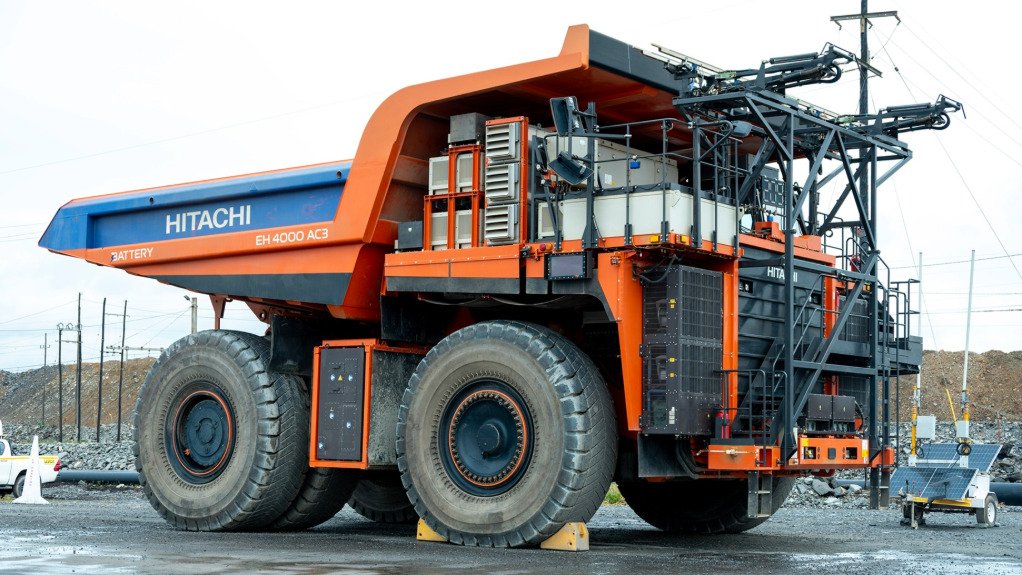



Zambia’s copper story is accelerating, but the next constraint on growth may not be geology, capital or mine development. It may be logistics. Copper production rose 7.8% to just over 890,000 tonnes in 2025, against Zambia’s longer-term target of three million tonnes annually by 2031, according to the National Assembly. The investment pipeline points to significantly more volume. First Quantum’s Kansanshi S3 expansion entered commercial production in December 2025, with Kansanshi guided towards 230,000 to 260,000 tonnes annually by 2028. Barrick expects the expanded Lumwana operation to average about 240,000 tonnes a year, while KoBold Metals is targeting roughly 300,000 tonnes annually from Mingomba in the early 2030s.
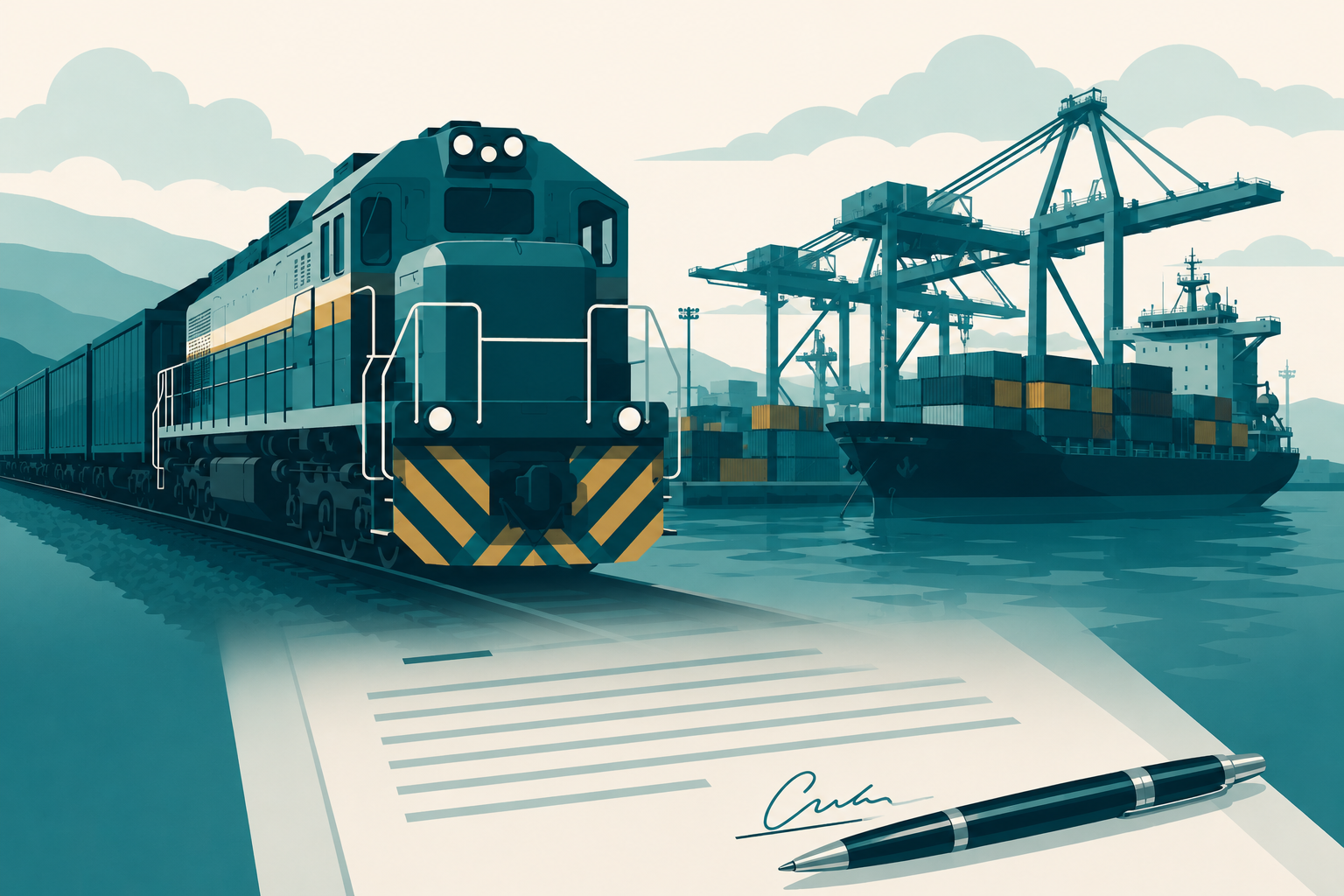
That raises a question receiving far less attention than mine development: how will all those additional tonnes get to market? The regional railway map is changing quickly. To the west, the DRC signed a concession in August covering the 1,004.5 km Dilolo-Sakania railway, running through Kolwezi, Tenke and Lubumbashi as part of the wider Lobito Corridor. To the east, TAZARA’s revitalisation has moved into physical implementation under a concession with CCECC, backed by more than US$1.4 billion for infrastructure, locomotives and wagons. Southern routes continue to offer established alternatives into regional ports.
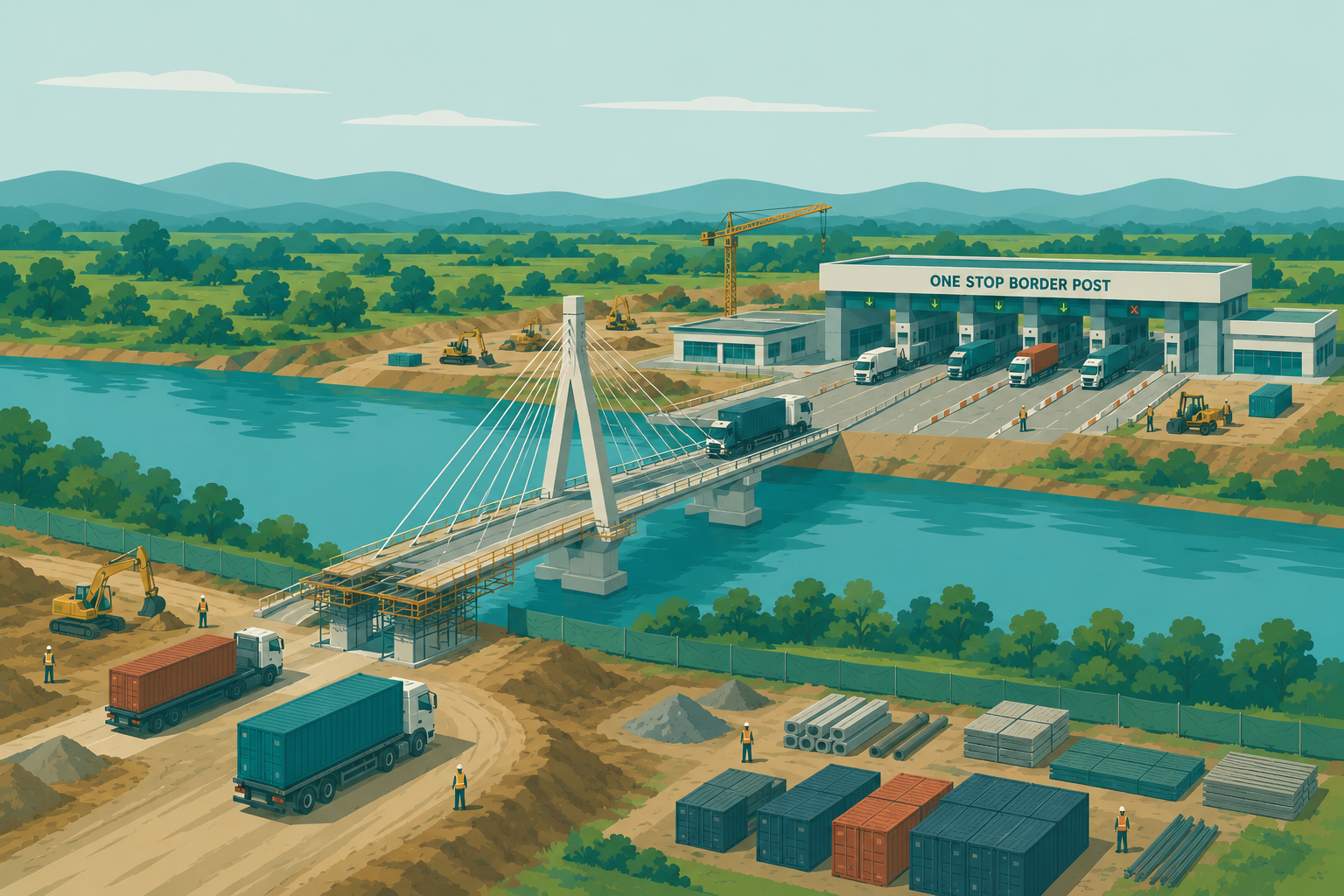
The real competition will not be decided by railway distance alone. Mining companies will look at total logistics cost per tonne, transit time, available capacity, service reliability, wagon turnaround, border dwell time, port performance and tariff predictability. A shorter corridor offers little advantage if locomotives are unavailable, wagons sit idle or cargo spends days at borders and terminals. Infrastructure creates capacity. Operations convert that capacity into tonnes.
The stakes are also becoming more global. India has reportedly held preliminary talks with Zambian officials over potential investment in copper and other critical minerals, as New Delhi looks overseas to secure growing mineral requirements. India is already the world’s second-largest buyer of refined copper. For Zambia, that widening competition for Copperbelt resources reinforces a broader point: logistics capacity is increasingly likely to influence the attractiveness of the country’s mining investment proposition.
The opportunity is not to choose one winning corridor. A larger Copperbelt economy may need Lobito, TAZARA and the southern gateways operating competitively at the same time. The real question is simpler: which corridor will be capable of moving the next million tonnes reliably, predictably and at the lowest total cost?