




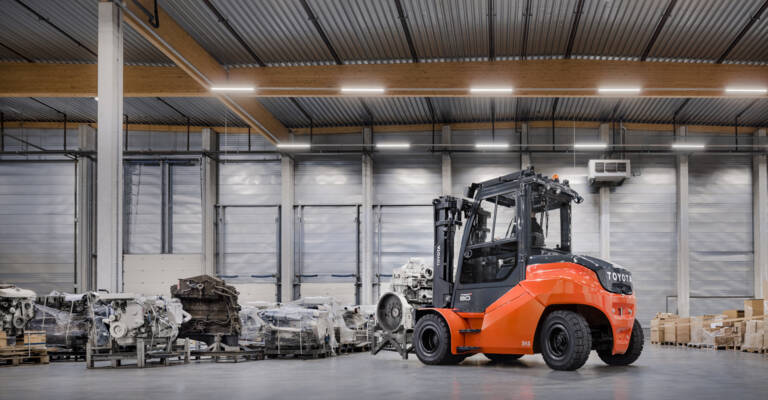
As global supply chains evolve, the push towards cleaner, more efficient operations is no longer optional—it is becoming a competitive necessity. The recent launch of a new heavy-duty electric forklift by Toyota Material Handling Europe reflects this shift, offering insights that are increasingly relevant for Zambia’s logistics and industrial sectors.
A Turning Point for Heavy-Duty Handling
Traditionally, heavy-duty material handling—particularly in sectors like mining, manufacturing, and large-scale warehousing—has relied heavily on internal combustion engine (ICE) equipment. While effective, these machines come with higher fuel costs, emissions, and maintenance requirements.
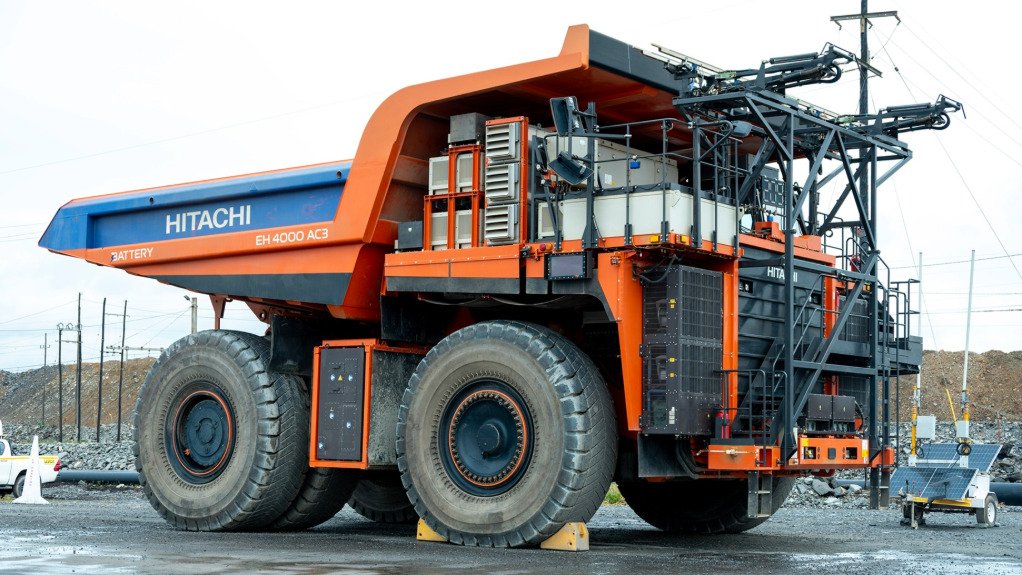
The introduction of advanced electric forklifts capable of handling loads of up to 8 tonnes marks a significant step forward. These machines are designed to deliver the same level of performance as diesel-powered alternatives, but with lower operating costs, reduced emissions, and quieter operation.
For Zambia, where industrial activity continues to grow, this signals a potential turning point in how heavy loads are managed across supply chains.
Why This Matters for Zambia Logistics
The implications for Zambia logistics are clear—particularly as businesses face rising fuel costs, increased environmental awareness, and the need for greater operational efficiency.
Electric material handling equipment offers several advantages:
- Lower total cost of ownership over time
- Reduced dependence on fuel imports
- Improved workplace conditions due to lower noise and emissions
- Greater alignment with sustainability goals and ESG standards
For logistics operators serving mining hubs, industrial parks, and distribution centres, these benefits can translate into measurable cost savings and improved productivity.
Supporting Smarter Supply Chains
Beyond cost and sustainability, the latest generation of electric forklifts is designed with advanced ergonomics and operator support systems. This includes improved visibility, intuitive controls, and enhanced safety features—critical factors in high-volume logistics environments.
In the context of cross-border trade and regional transport corridors, efficiency at warehouses and inland terminals plays a key role in overall supply chain performance. Faster loading and unloading times, reduced downtime, and reliable equipment all contribute to smoother cargo movement across borders.
For Zambia, which relies heavily on regional trade routes such as the North-South Corridor, these incremental improvements can have a meaningful impact.
The Infrastructure Question
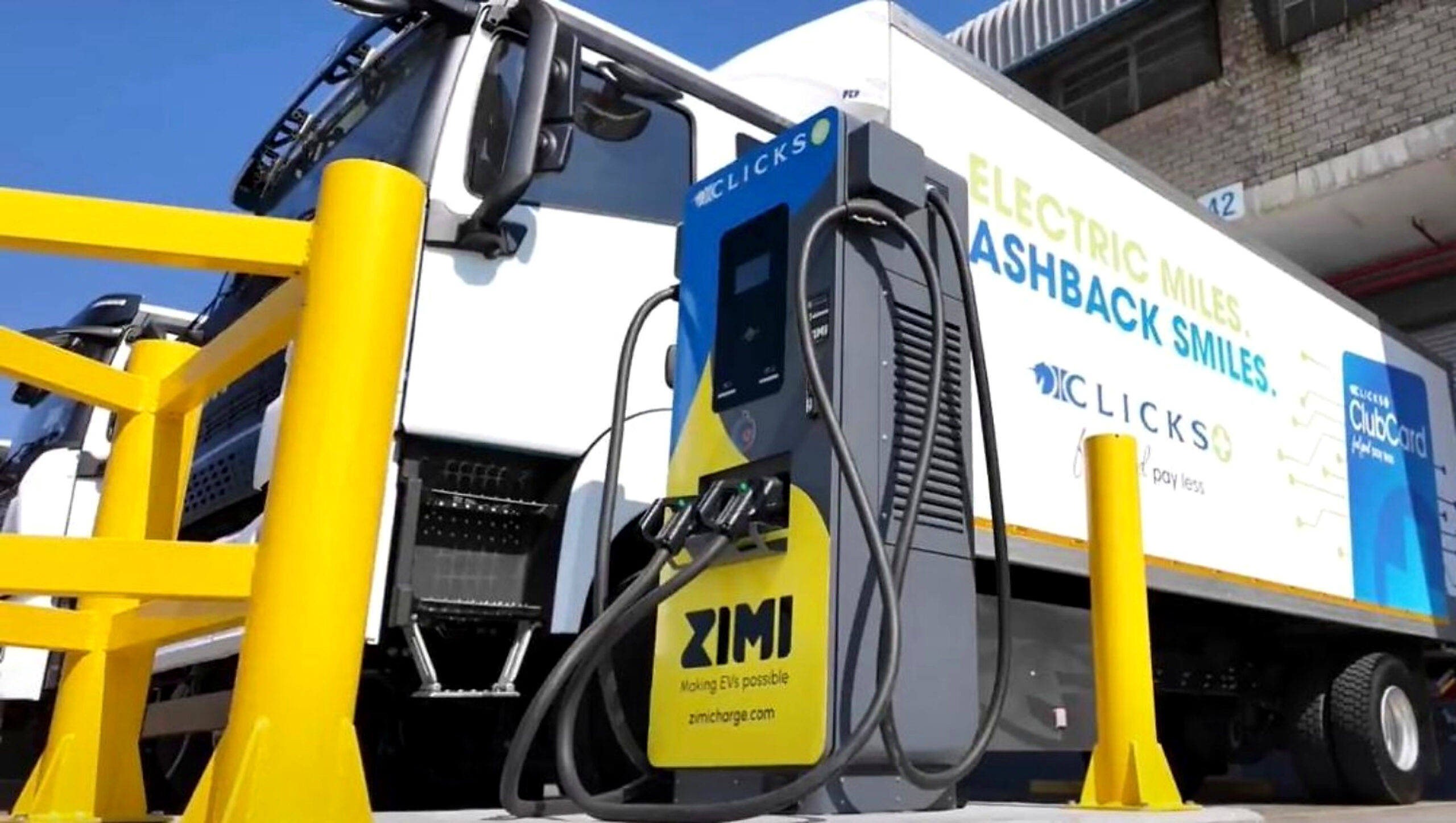
While the benefits are compelling, adoption in Zambia and the wider Southern African region will depend on supporting infrastructure—particularly access to reliable electricity and charging solutions.
Businesses will need to assess:
- Power availability and stability
- Charging infrastructure requirements
- Upfront investment versus long-term savings
Encouragingly, Zambia’s ongoing investments in energy diversification and renewable power present an opportunity to align industrial growth with cleaner technologies.
What This Means for Industry Players
For logistics providers, warehouse operators, and industrial businesses, the message is clear: electrification is moving into the heavy-duty segment—and early adopters stand to gain.
Companies that begin integrating electric equipment into their fleets can position themselves as:
- More cost-efficient operators
- Environmentally responsible partners
- Forward-looking players in regional supply chains
This is particularly relevant for businesses working with international partners, where sustainability standards are increasingly influencing procurement decisions.
Final Thought
The launch of heavy-duty electric forklifts is more than a product innovation—it is a signal of where global logistics is heading. For Zambia, the opportunity lies in adapting early, aligning with emerging trends, and building supply chains that are not only efficient, but future-ready.
As Zambia logistics continues to evolve, the integration of cleaner, smarter equipment will play a key role in shaping a more competitive and resilient sector.