








Lumwana Mining Company has received approval to finance and undertake routine maintenance on a key section of the T5 Road in North-Western Province, reinforcing the growing role of mining companies in supporting infrastructure along Zambia’s major mineral corridors.
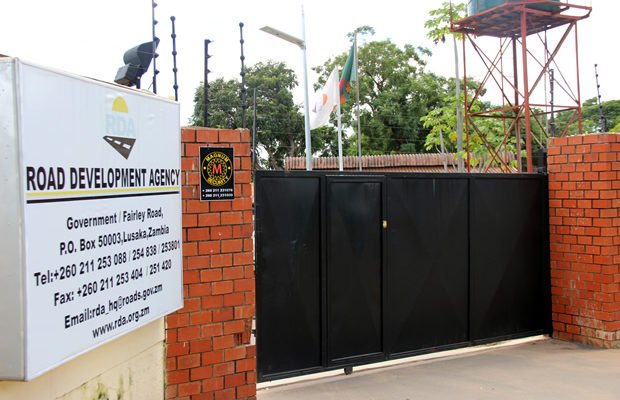
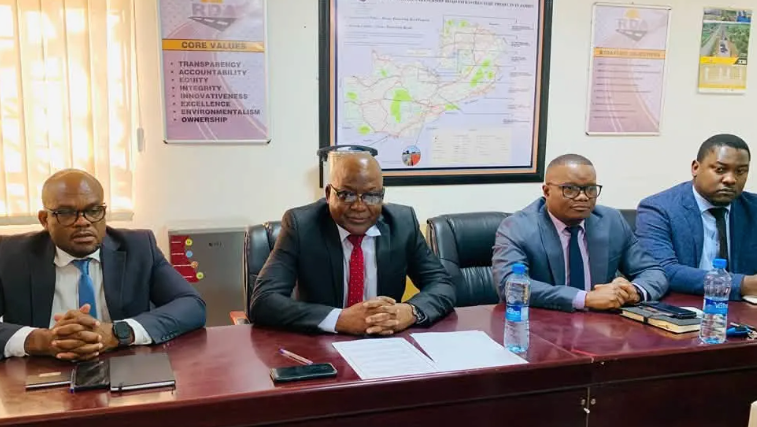
The Road Development Agency has given Barrick Lumwana Mining Company Limited consent to maintain the section running from Mutanda Junction to the Lumwana Mine entrance.
The partnership was formalised between Lumwana and RDA, with Lumwana Country Manager Anthony Malenga describing it as an important milestone in strengthening the relationship between the company and Government.
“It is a pleasure to join you today as we formalize our partnership with RDA for the maintenance of the T5 road from Mutanda junction to the Lumwana Mine entrance,” Malenga said.
The T5 is a critical logistics artery for North-Western Province, supporting mining operations as well as surrounding communities, businesses and general traffic.
Malenga said the importance of the road extends beyond Lumwana Mine itself.
“Its maintenance will improve road safety, reduce vehicle operating costs and support the efficient movement of people, goods and services,” he said.
That point is particularly significant for Zambia’s mining logistics sector.
Road condition directly affects the cost of moving fuel, equipment, consumables, contractors and mineral-related freight. Deteriorating roads increase tyre and suspension wear, extend journey times and reduce fleet utilisation, costs that ultimately feed back into the wider mining supply chain.
Lumwana is also undergoing a major expansion, meaning the transport infrastructure serving the mine and surrounding mining economy will increasingly have to absorb higher volumes of freight and industrial activity.
Malenga said the company views the investment as part of a broader responsibility to the region.
“We therefore view this investment as part of our broader responsibility to support the communities in which we operate and to contribute meaningfully to Zambia’s development.”
The intervention raises a wider question for Zambia’s mining expansion: as copper production grows, who pays to maintain the infrastructure carrying that growth?
Mining companies depend on public roads, but the intensity of mine-related traffic can also place significant pressure on those same networks.
Lumwana’s T5 intervention therefore represents more than routine road maintenance. It points to an emerging model in which mine operators, Government and infrastructure agencies increasingly have to work together to sustain the transport systems underpinning Zambia’s mineral economy.
For transporters, suppliers and mining operators, the equation is straightforward: higher production requires more than investment in new pits and processing plants.
It also requires investment in the roads that connect them to keep working.