



















In a significant development for regional trade and infrastructure, Zambia is advancing the revival of the Nacala Corridor—unlocking what is set to become one of the fastest rail links to the Indian Ocean. This renewed focus reflects a broader ambition: to strengthen Zambia’s access to global markets while deepening regional integration across Southern and Eastern Africa.
Reconnecting Zambia to the Coast
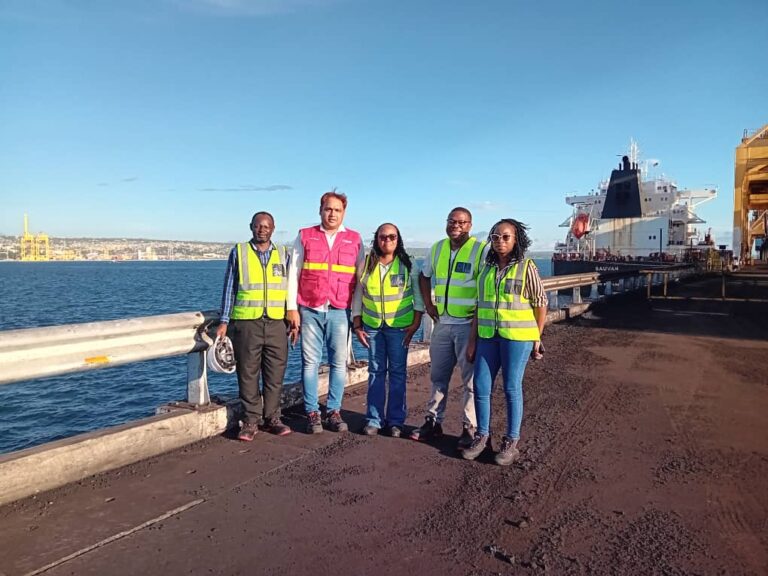
The Nacala Corridor provides a critical rail route linking Zambia to the port of Nacala in Mozambique. Once fully revitalised, it will offer a more efficient and direct pathway for transporting goods to international markets. Compared to traditional export routes, the corridor is expected to significantly reduce transit times and logistics costs. For a landlinked country like Zambia, such improvements are not just operational—they are transformative.
Unlocking Trade and Economic Opportunity
At its core, the corridor revival is about enabling trade. Faster, more reliable rail connectivity will make it easier for Zambia to export key commodities, including copper and agricultural products, while also improving the flow of imports. The benefits extend beyond Zambia. Neighbouring countries such as Malawi stand to gain from improved access to the port, reinforcing the corridor’s role as a shared regional asset. By lowering the cost and complexity of moving goods, the Nacala Corridor is expected to enhance competitiveness and stimulate economic growth across the region.
Infrastructure Driving Integration
The revival effort highlights the importance of infrastructure in shaping regional integration. Efficient transport networks are the backbone of trade, and the Nacala Corridor is a clear example of how strategic investment can unlock new economic pathways. It also reflects a growing recognition that collaboration between countries is essential. Cross-border infrastructure projects require coordination, shared vision, and long-term commitment—elements that are increasingly evident in this initiative.
A Strategic Shift in Logistics
For Zambia, the corridor represents a strategic diversification of export routes. By reducing reliance on longer or more congested corridors, the country can improve resilience in its supply chains. This is particularly important in today’s global environment, where efficiency, reliability, and speed are critical to maintaining competitiveness. The Nacala route offers a practical solution—one that aligns with the demands of modern trade.
Looking Ahead
As work on the corridor progresses, its impact is expected to grow. Beyond immediate gains in transport efficiency, it has the potential to reshape trade patterns, attract investment, and support broader economic development. For Zambia, the revival of the Nacala Corridor is more than an infrastructure project—it is a statement of intent to position the country as a more connected, competitive, and forward-looking player in regional and global trade.