





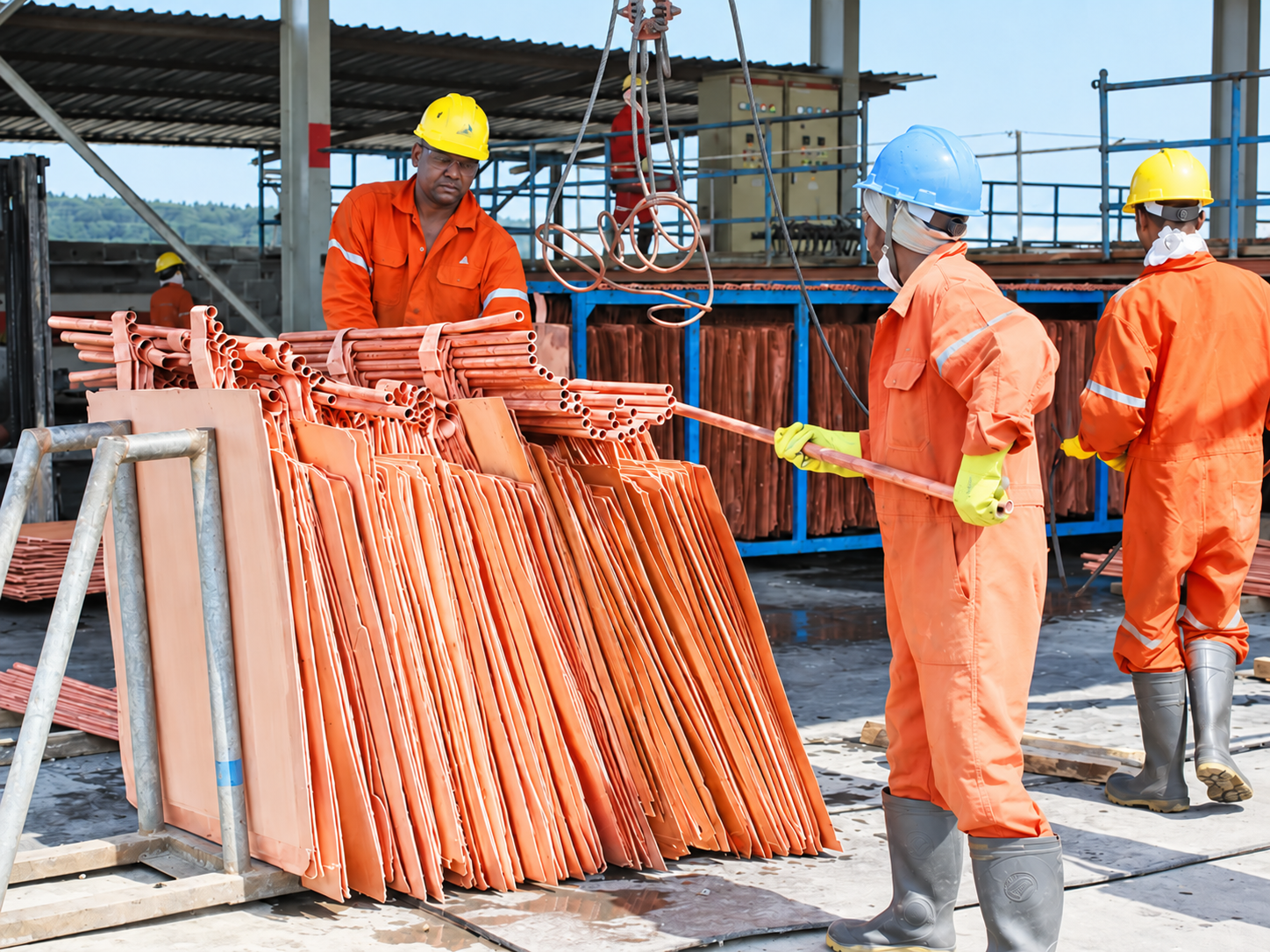
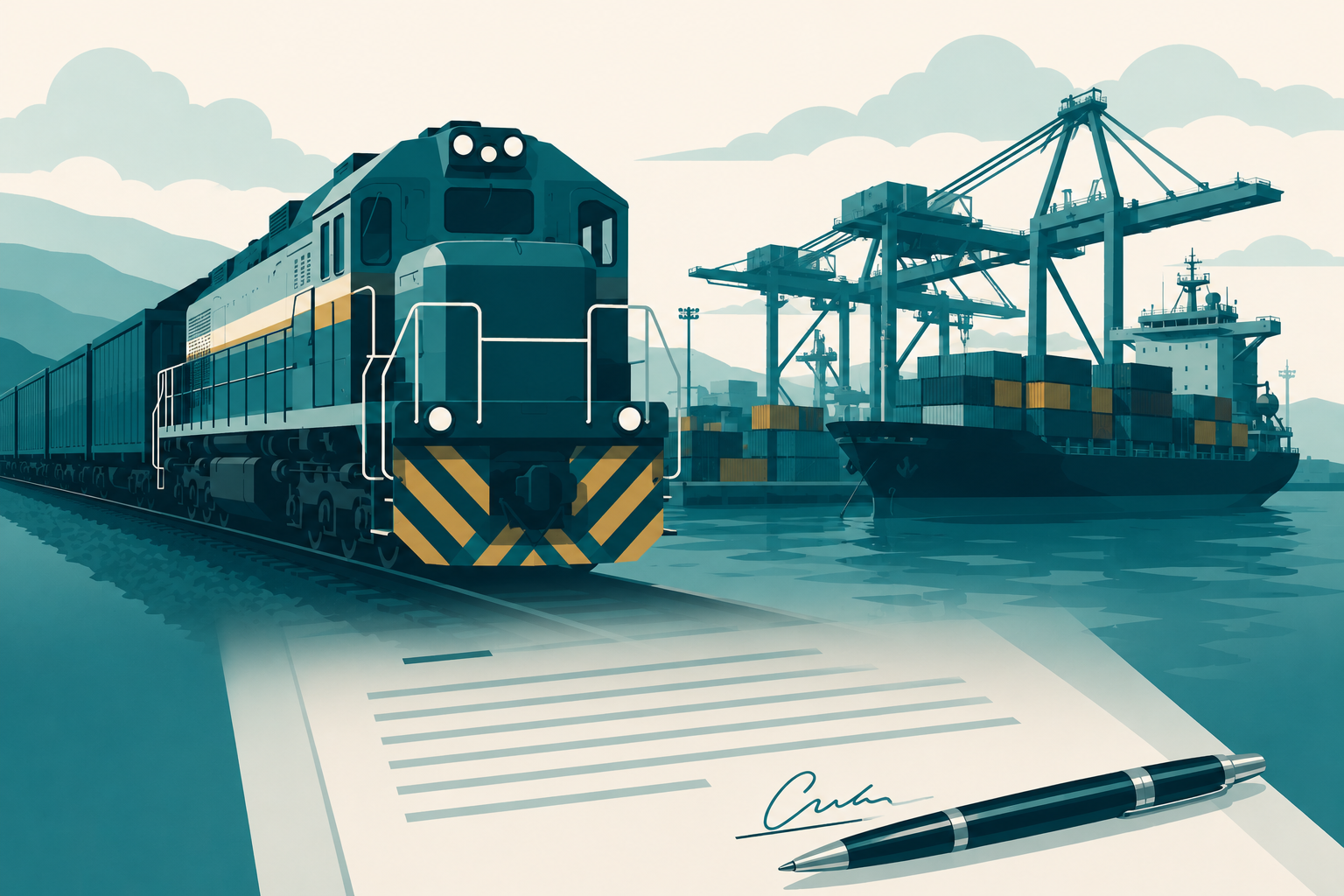



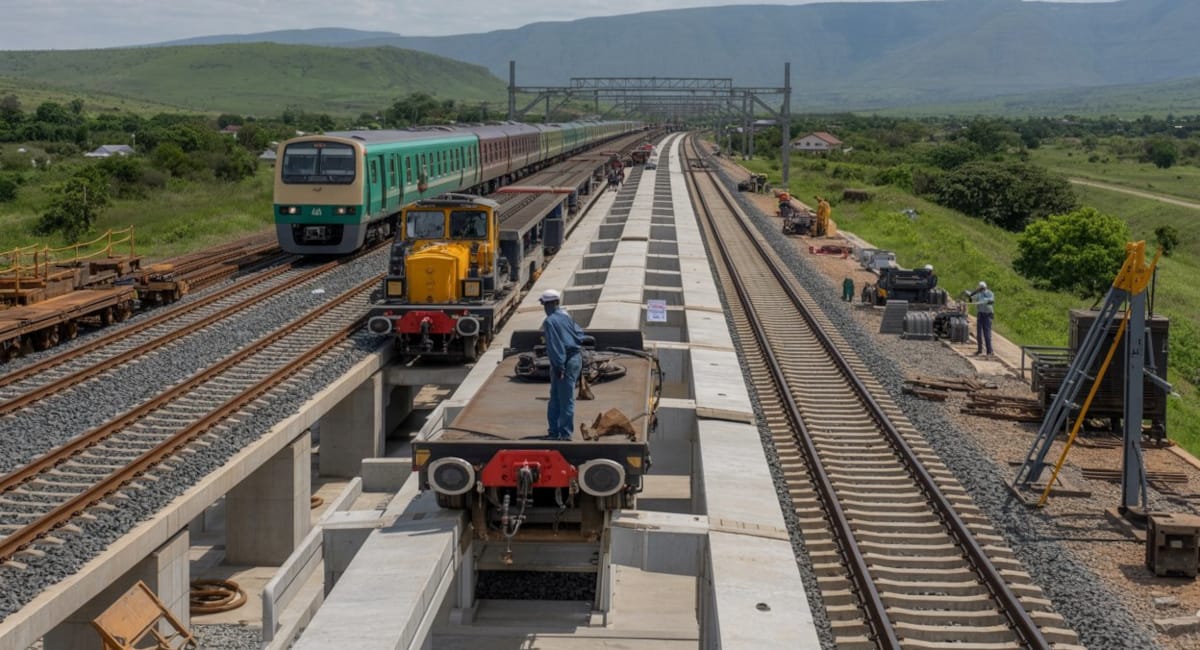
Plans to upgrade the TAZARA railway are expected to deliver meaningful benefits for Zambia’s mining and logistics sectors, particularly by addressing the high cost of transporting minerals to international markets.
The TAZARA Railway remains a critical trade corridor linking Zambia to the Port of Dar es Salaam. For many years, it has supported the movement of copper and other bulk commodities, providing an alternative to road transport and helping to ease pressure on other regional routes.
Lowering the Cost of Moving Minerals
One of the key drivers behind the planned upgrade is the need to reduce transport costs for the mining sector. Moving minerals by rail is generally more cost-effective than road transport, especially for high-volume exports such as copper and cobalt. However, ageing infrastructure and operational inefficiencies have limited the railway’s full potential. By improving the condition of the railway and enhancing its capacity, the upgrade is expected to lower the cost per tonne of moving minerals, making Zambia’s exports more competitive on the global market.
Improving Efficiency and Reliability
In addition to cost savings, the upgrade is expected to improve overall efficiency and reliability. Challenges such as slow transit times, limited hauling capacity, and inconsistent service have affected the performance of the railway in recent years. Addressing these issues will allow for smoother operations, faster turnaround times, and more predictable delivery schedules. For mining companies and exporters, this reliability is just as important as cost, as it supports better planning and reduces supply chain disruptions.
Supporting Zambia’s Logistics Strategy
The upgrade also aligns with Zambia’s broader ambition to strengthen its logistics infrastructure and position itself as a regional logistics hub. Investing in rail infrastructure is a key part of building a more balanced transport system that integrates road, rail, and port operations. This not only improves efficiency but also reduces congestion on roads and lowers the long-term cost of maintaining transport networks.
Zambia’s partnership with Tanzania remains central to this effort. The Dar es Salaam corridor continues to serve as a vital gateway for trade, and a more efficient TAZARA railway will strengthen the connection between inland production centres and the coast. This enhances the flow of goods between the two countries and supports wider regional trade across Southern, Central, and East Africa.
Unlocking Regional Trade Opportunities
Beyond Zambia, the benefits of the upgrade are expected to extend to neighbouring countries that rely on the corridor. A more efficient railway system can attract higher cargo volumes, improve transit times, and create new opportunities for regional trade. It also contributes to broader efforts to enhance infrastructure connectivity across the continent.
A Step Toward Sustainable Logistics
The shift toward rail also supports more sustainable logistics. Rail transport typically produces lower emissions compared to road freight and is better suited for bulk cargo over long distances. Strengthening the TAZARA railway therefore contributes not only to economic efficiency but also to more environmentally responsible transport systems.
Looking Ahead
Overall, the planned upgrade represents a positive step forward. By reducing mineral transport costs, improving reliability, and strengthening key trade corridors, Zambia is building a more competitive and resilient logistics network. This progress supports both the mining sector and the wider economy, while reinforcing Zambia’s growing role in regional trade and logistics.