









Zambia wants to triple copper production, but extracting more is only half the equation. The next opportunity lies in building the processing, inbound supply chains and industrial capacity needed to handle the additional tonnes.
Today marks the scheduled end of Zambia’s temporary 10% export-duty waiver on selected copper concentrates, with no further extension announced at the time of publication.
The waiver provided an important release valve when domestic processing capacity was constrained. But its expiry raises a bigger question:
As Zambia grows copper production towards 3 million tonnes annually, where will the additional concentrate be processed?
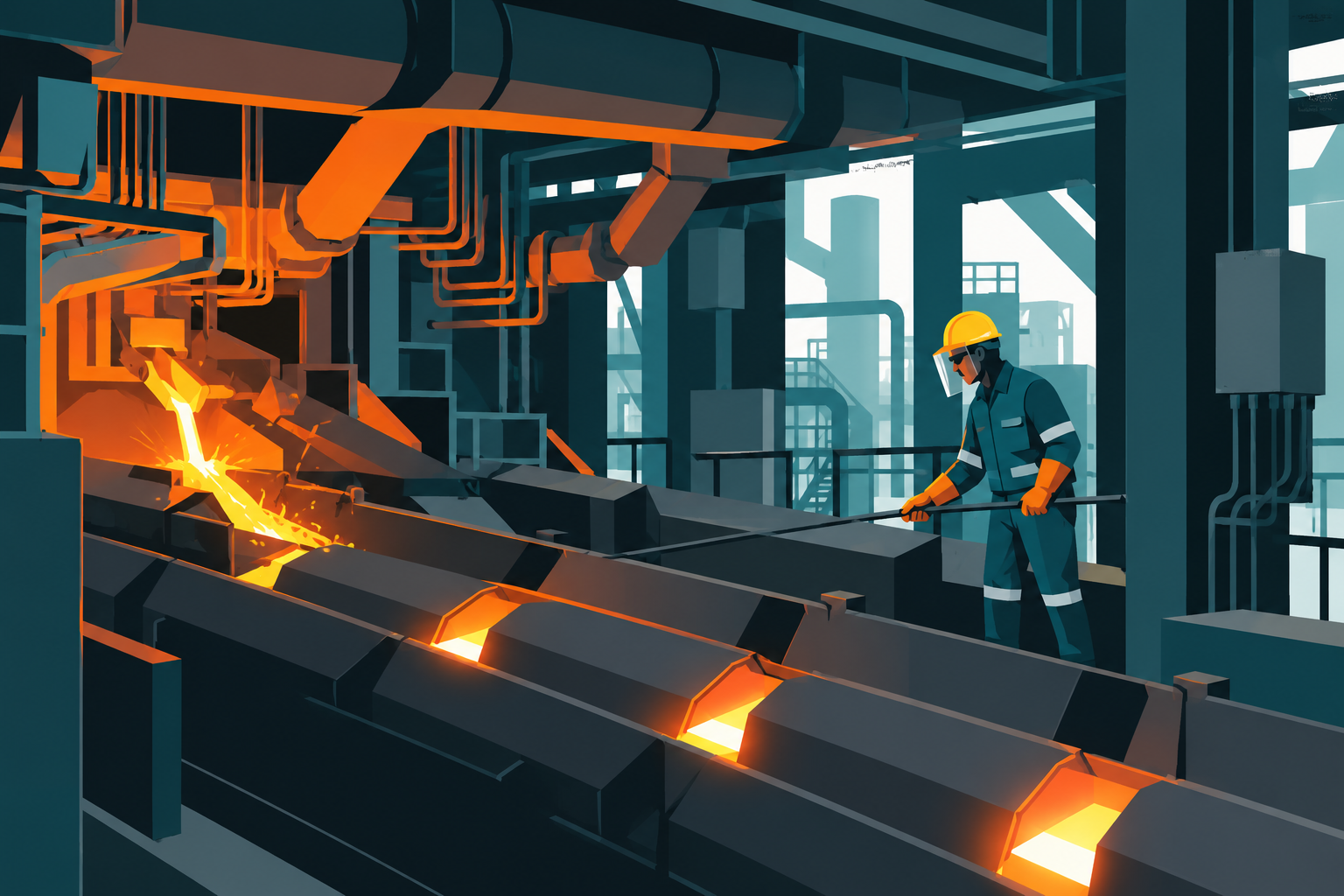
Zambia already has significant infrastructure. IDC estimates combined smelting capacity at approximately 1.2 million tonnes annually.
But installed capacity is not the same as available capacity.
Much of Zambia’s smelting infrastructure is integrated with the mining operations that own or control it. Some facilities accept third-party concentrate, but their full nameplate capacity cannot simply be treated as capacity available to independent producers.
Nchanga illustrates the point. Its smelter has design throughput of approximately 850,000 tonnes of concentrate annually, capable of producing about 312,000 tonnes of copper. But the facility forms part of KCM’s own processing chain, while also purchasing third-party concentrate required for its feed blend.
Chambishi offers another model. It produced about 261,000 tonnes of blister copper and anodes in 2025, including approximately 121,000 tonnes processed for companies outside the CNMC group.
That points to the opportunity.
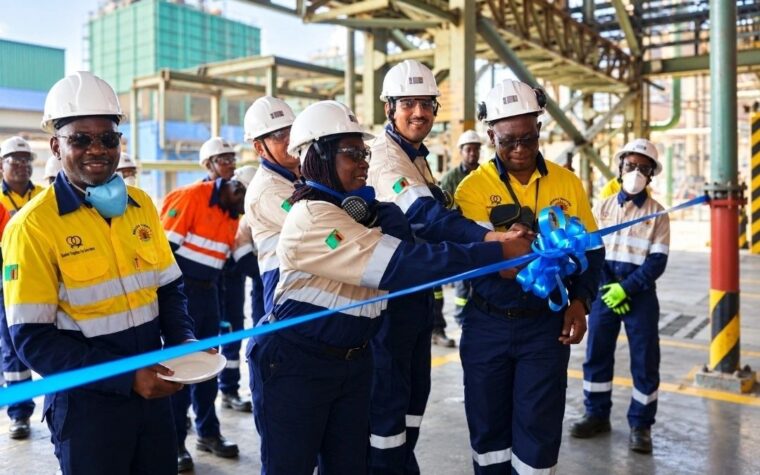
Zambia needs to grow processing capacity that is accessible to multiple producers alongside the expansion in mine output.
For existing processors with available third-party capacity, growing production creates a market.
For new third-party processors, it creates an increasingly visible domestic feedstock opportunity.
And the opportunity extends well beyond the smelter.
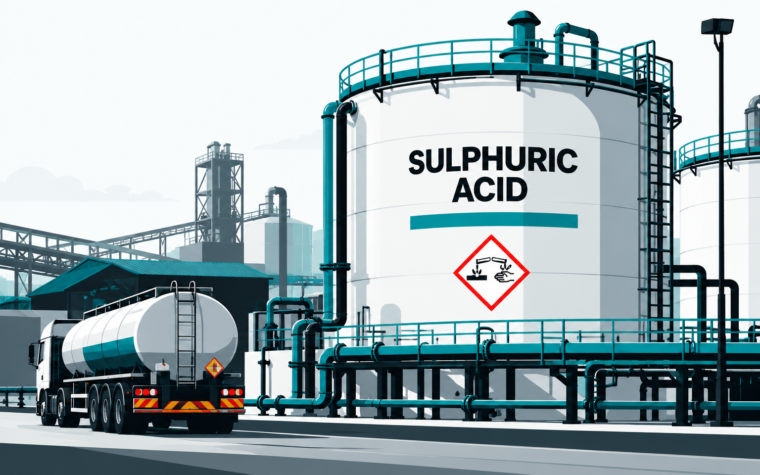
More copper production and processing will require more power, mining equipment, spares, reagents, fuel, explosives, chemicals, sulphuric acid, engineering services, storage, transport and warehousing.
Zambia therefore needs to plan for the inbound supply chain that will make the 3-million-tonne ambition possible — not just the logistics of moving copper out.
There will still be a role for concentrate exports and regional processing when domestic capacity is constrained. But the bigger opportunity is increasing the amount of Zambia’s mineral production that can be processed competitively at home.
So the question is no longer simply how Zambia produces more copper.
How do we grow processing and inbound supply-chain capacity in tandem with extraction?
The capacity gap is not only a constraint.
It is an investment opportunity.