






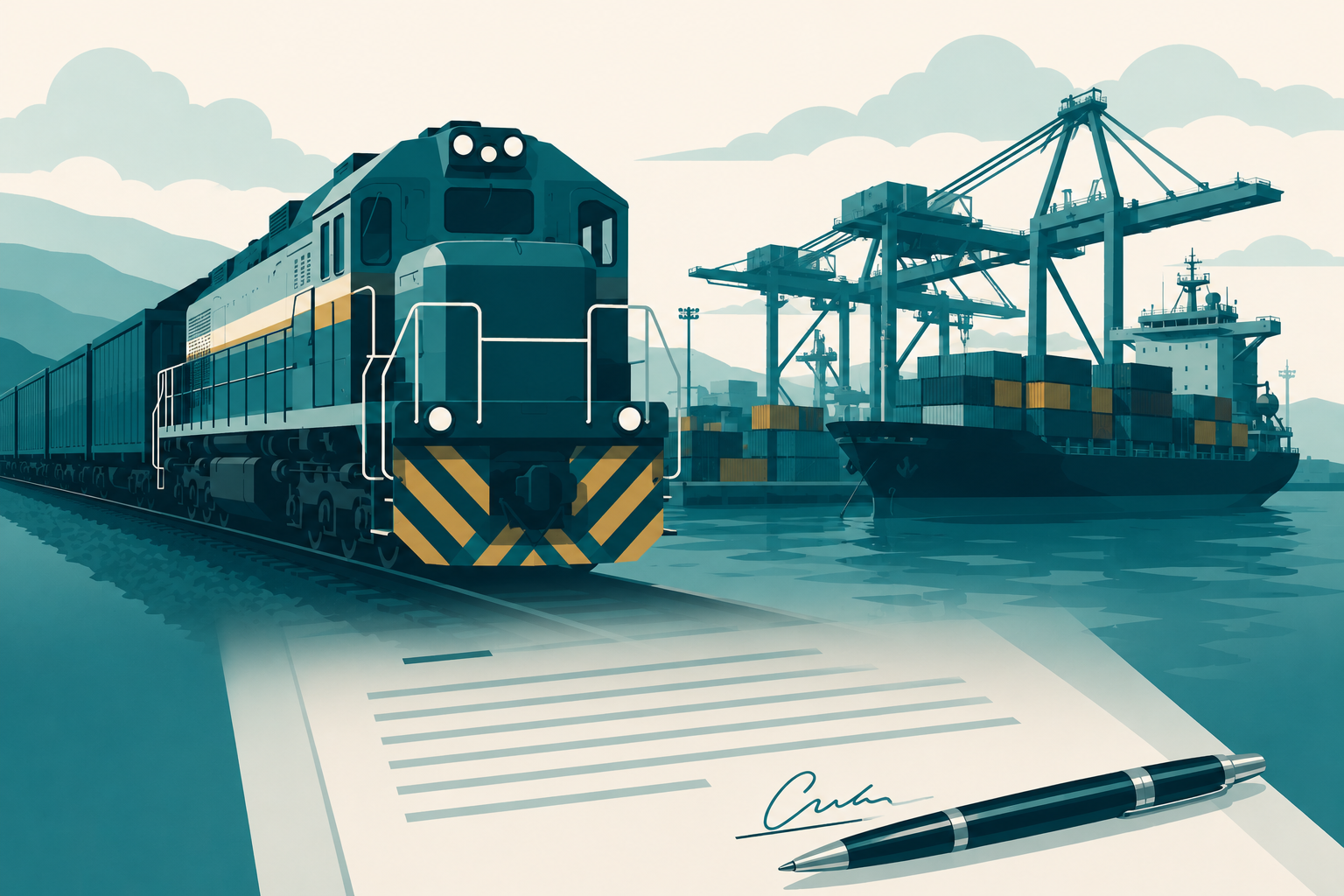


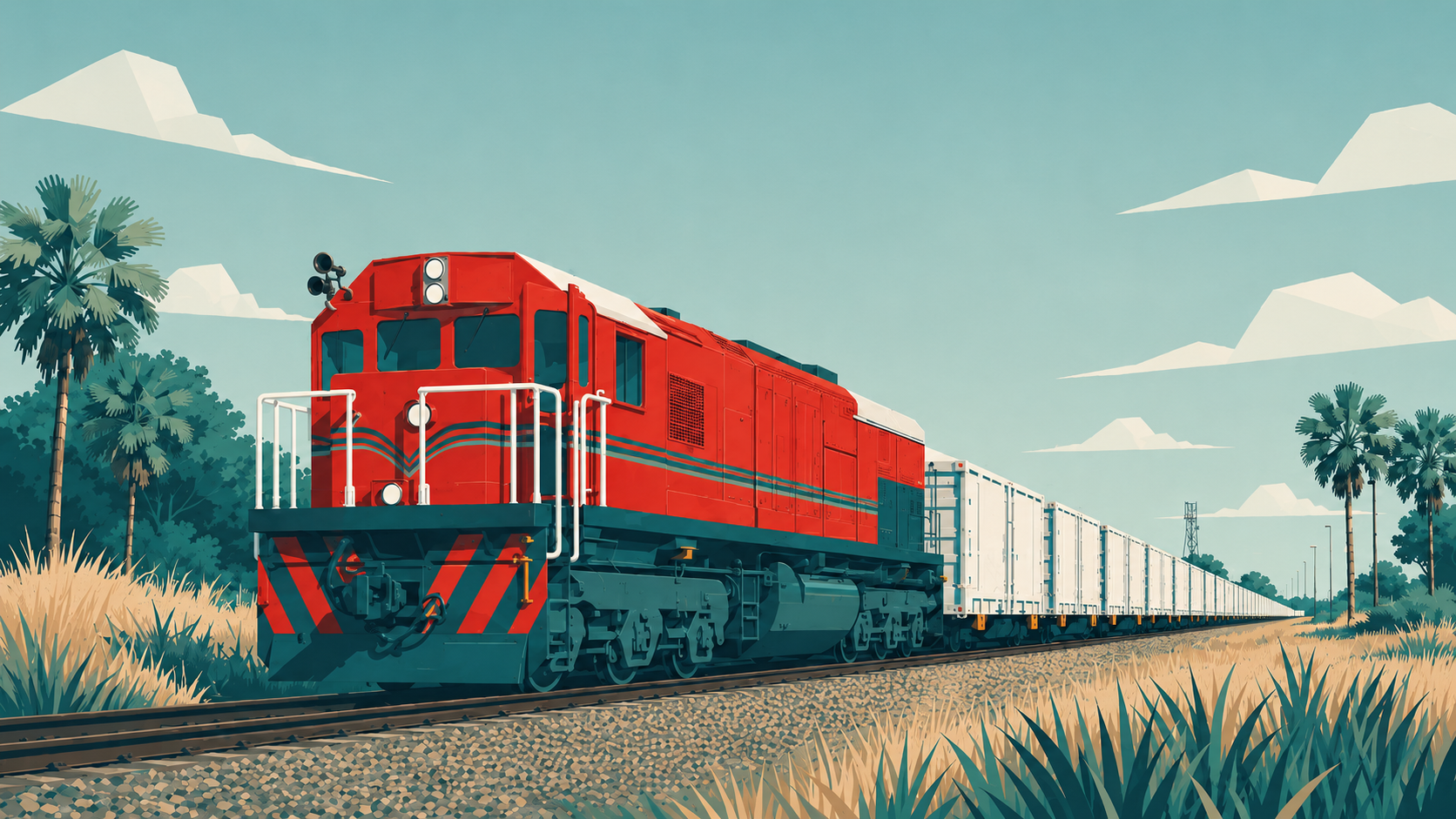
Zambia Railways’ shortlisting of bidders for the rehabilitation and upgrade of 300 wagons is a positive signal for the country’s rail freight recovery agenda.
The tender places rolling-stock rehabilitation at the centre of Zambia’s rail revival conversation. Big infrastructure announcements often dominate the headlines, but the ability to move more freight by rail depends on practical operating assets: locomotives, wagons, workshops, spare parts, maintenance systems and trained technical capacity.
That is why this tender matters.
A rehabilitated wagon is more than a repaired asset. It is potential freight capacity returning to the network. For mining companies, agricultural producers, importers, exporters and industrial customers, wagon availability directly affects whether rail can become a more dependable option for bulk and long-distance cargo movement.
The commercial signal is also important. The tender reportedly includes vendor financing, pointing to a procurement structure designed to unlock capacity without relying only on immediate public funding. If successfully executed, this could help Zambia Railways move faster on fleet recovery while bringing private-sector suppliers, financiers and technical partners deeper into the rail-equipment value chain.
For suppliers, the opportunity extends beyond the headline number of 300 wagons. Wagon rehabilitation can create demand for fabrication, braking systems, wheelsets, couplers, bearings, structural repairs, safety compliance, inspection services and lifecycle maintenance. It can also support local engineering capability if Zambian workshops and service providers are meaningfully integrated into the programme.
The wider message is that rail revival will not happen through policy ambition alone. It will be built through practical steps that restore the assets needed to move freight consistently and competitively.
The 300-wagon tender is not a mega-project, but it is commercially meaningful. It speaks to the operational foundation behind modal shift, corridor competitiveness and industrial logistics.
For Zambia’s shippers and logistics operators, the key question now is execution: how quickly the tender moves from shortlist to award, and how soon rehabilitated wagons can return to productive service.
If delivered well, this could be one of the practical building blocks in Zambia’s rail freight recovery.