






As Zambia’s small-parcel and last-mile delivery economy expands, electric motorcycle businesses such as Gaingo are introducing new ways to think about fleet costs, operating efficiency and the future of urban logistics.
THE OPPORTUNITY
Zambia’s last-mile delivery economy is evolving.
From courier businesses and food delivery platforms to independent motorcycle riders and small-parcel operators, two-wheel transport is becoming an important component of urban commerce.
The motorcycle offers a relatively affordable entry point into commercial logistics. It can navigate congested streets, handle smaller consignments and serve customers without the operating costs associated with larger delivery vehicles.
But the economics of this business remain sensitive to running costs.
Fuel, maintenance, financing and vehicle downtime all influence how much a rider or delivery operator retains from each journey.
That creates an opening for alternative operating models.
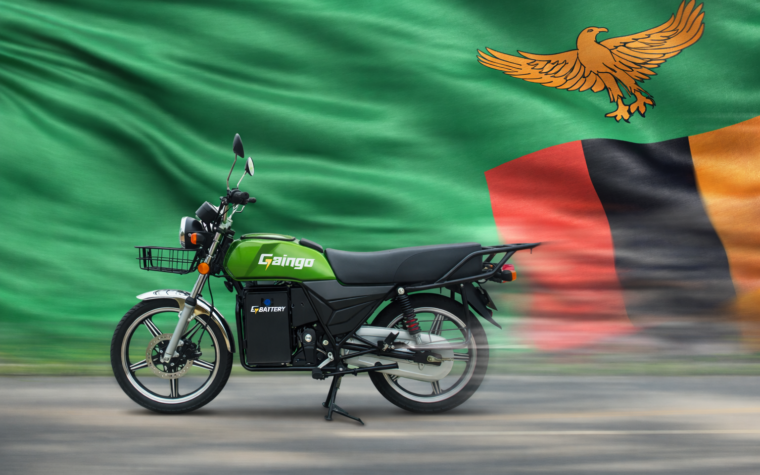
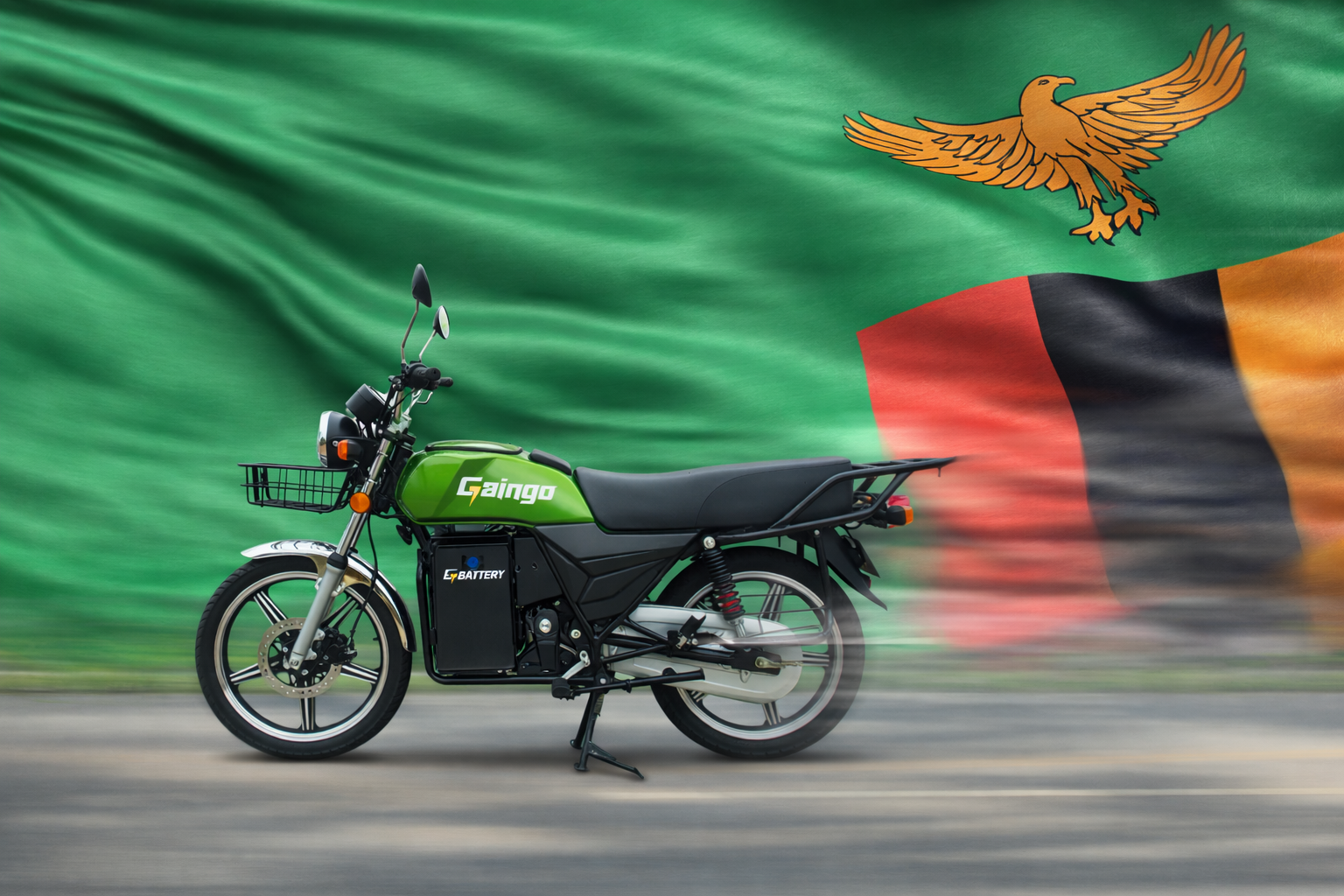
One of the businesses attempting to address that opportunity is Gaingo, a Zambia-based electric mobility venture introducing electric motorcycles and battery-swapping services.
Its proposition is not simply to replace a petrol engine with an electric motor. It is to reconsider how commercial motorcycles are powered, maintained and kept productive throughout the working day.
THE BUSINESS
Gaingo identifies itself as a new-energy mobility company associated with Zambia-based Smartcity.
Its model combines electric motorcycles with battery-swapping infrastructure, allowing riders to exchange depleted batteries for charged units rather than wait for conventional charging.
For commercial delivery operations, this distinction matters.
A motorcycle that spends several hours charging during the working day may lose the productivity advantage created by lower energy costs.
Battery swapping attempts to address that constraint by separating the vehicle’s operating time from the battery’s charging time.
Gaingo reports that its exchanges can take less than two minutes and that its network has processed more than 5,000 swaps.
These are company-reported indicators. Further information on active fleet size, operational station numbers, real-world battery range and pricing would be needed to assess the scale and commercial performance of the operation. We are looking forward to a sit-down with the Gaingo team.
Nevertheless, the development points to an emerging opportunity in Zambia’s urban logistics market.
The potential customer is not only the environmentally conscious commuter. It is also the delivery rider, courier operator and small fleet owner looking for a different cost structure.
THE ADAPTABILITY CODE
There is a broader business lesson in this emerging market.
Businesses often design their operating models around the technologies, costs and infrastructure available when they start.
Over time, those assumptions can become embedded in everything from fleet purchases and pricing agreements to staffing and delivery schedules.
But markets do not remain static.
Energy prices change. New technology becomes available. Customer expectations evolve. Competitors discover different ways to deliver the same service.
The ability to adapt is therefore not simply a response to disruption. It should be built into the operating model of the business itself.
For a delivery company, that might mean experimenting with an electric motorcycle before committing to a larger fleet.
For a logistics operator, it could mean comparing cost per kilometre across vehicle types rather than relying exclusively on familiar purchasing decisions.
For a courier platform, it might involve designing delivery networks around vehicle range, charging availability and rider productivity.
And for fleet financiers, new mobility models may create opportunities to develop products better suited to electric motorcycles, battery subscriptions and commercial riders.
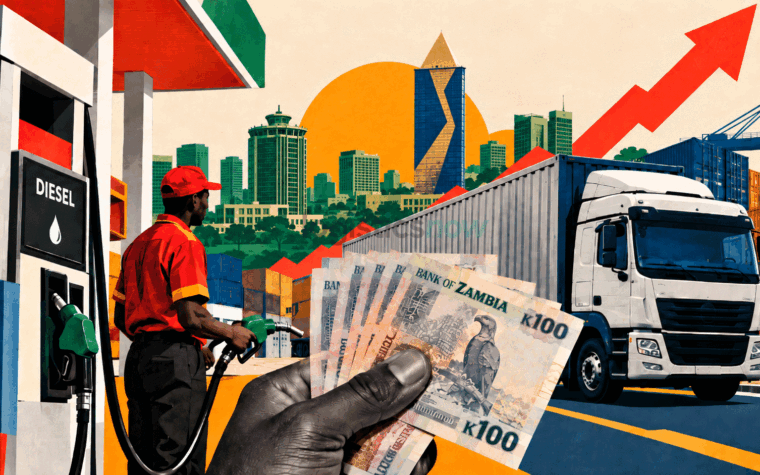
The recent increase in petroleum pump prices provides a timely reminder of why alternatives matter.
But even without that increase, the case for continuously testing more efficient operating models would remain.
Adaptability is not about changing technologies whenever something new appears. It is about having the discipline to measure alternatives, test assumptions and respond when a better commercial model becomes viable.
LN SIGNAL | The opportunity is bigger than the motorcycle
The emergence of Gaingo and other electric mobility initiatives introduces several possibilities for Zambia’s logistics ecosystem.
Electric motorcycles could create demand for battery-swapping networks, specialist maintenance providers, fleet financing, charging services and technology platforms that help operators manage vehicles and energy consumption.
For commercial riders, the opportunity lies in lower operating costs and greater income retained per delivery, provided the full economics support those outcomes.
For delivery businesses, it is an opportunity to reconsider fleet productivity and the relationship between vehicle ownership, energy costs and service reliability.
The decisive test will be commercial performance.
How much does an electric motorcycle cost to acquire? What does a battery swap cost? How far can a rider travel under real delivery conditions? How much downtime is avoided? And what happens to monthly earnings once financing, energy and maintenance are accounted for?
Those are the numbers that will determine how quickly electric motorcycles move beyond early adoption into mainstream commercial logistics.
The Logistics Now signal: Gaingo’s story is ultimately about more than electric motorcycles. It illustrates the value of maintaining an adaptability code within a business — continuously questioning operating assumptions, evaluating new technology and remaining open to alternatives that can improve productivity and protect margins.
In an evolving logistics market, the ability to adapt may become as important as the assets a business owns.