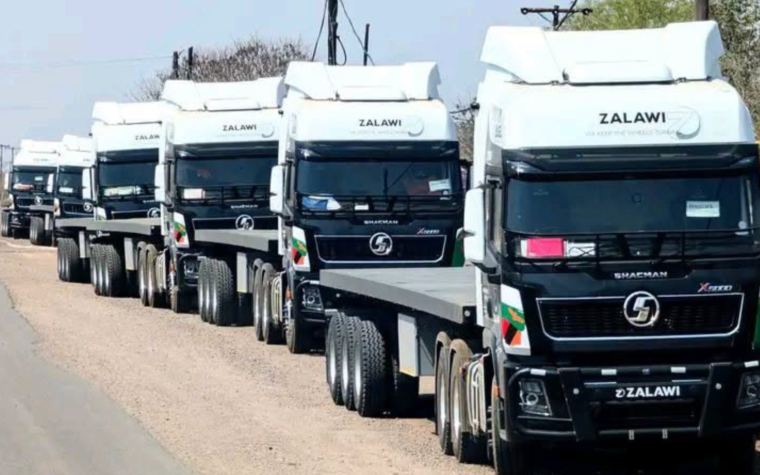











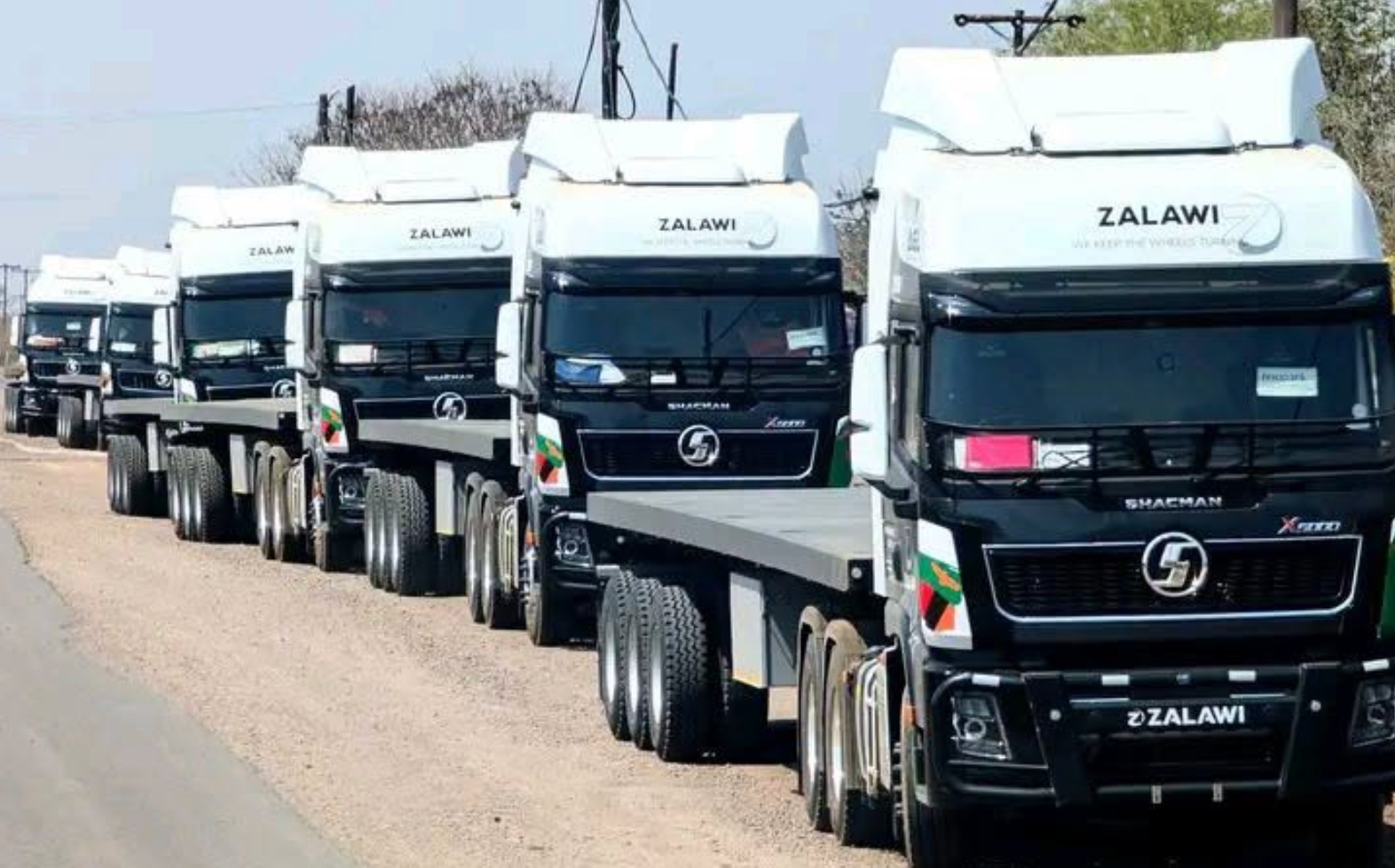
Zambia’s Zalawi Group has deployed 50 new Shacman X5000 heavy-duty trucks, strengthening its road freight operations as mining activity and cross-border trade continue to shape demand for transport capacity across Southern Africa.
Chingola-based transport operator Zalawi Group has expanded its fleet with 50 new Shacman X5000 trucks, reinforcing its position in the movement of mining supplies, industrial cargo and mineral exports between Zambia, the Democratic Republic of Congo (DRC) and Southern Africa’s major ports.
The investment adds to an established fleet of more than 500 heavy-duty vehicles operated by a company with over five decades of experience in regional road transport.
Zalawi has not disclosed the value of the acquisition or whether all 50 trucks represent additional capacity rather than replacements for older vehicles.
More than a fleet expansion
Established in 1974, Zalawi has grown into one of the region’s established cross-border transport operators, serving routes linking Zambia’s Copperbelt and the DRC’s mining provinces with major maritime gateways, including Durban in South Africa and Walvis Bay in Namibia.
The company operates within the Africa Global Logistics (AGL) network, part of the MSC Group, connecting its road transport operations to a broader ecosystem of port services, freight forwarding, warehousing and inland logistics.
In 2025, Zalawi strengthened its presence along the Atlantic trade corridor by establishing a dedicated fleet operation at Walvis Bay.
The latest acquisition further reinforces its equipment base as regional cargo owners look for reliable transport solutions capable of supporting industrial supply chains across multiple borders.
Why it matters for Zambia
Zambia’s ambition to increase annual copper production to 3 million tonnes will require corresponding growth in the logistics infrastructure supporting the mining industry.
That includes more than moving finished copper products to export markets.
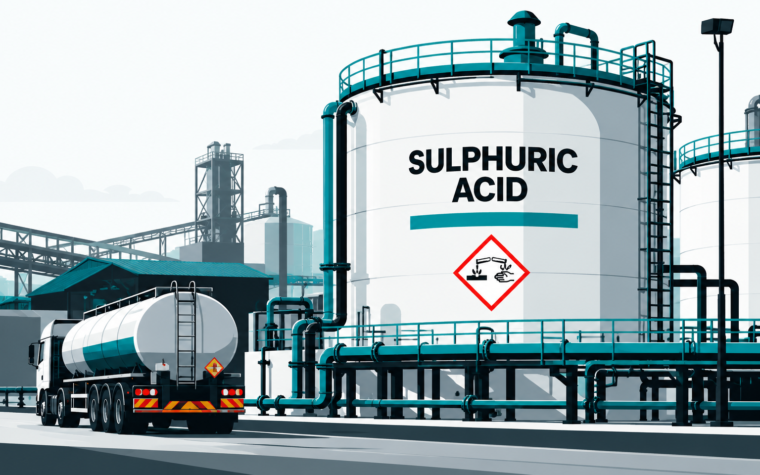
Mining operations depend on continuous inbound deliveries of equipment, chemicals, spare parts, fuel and other industrial inputs. As production increases, the capacity and reliability of these supply chains become increasingly important.
Fleet investments such as Zalawi’s provide an indication of how established logistics operators are positioning themselves to serve this demand.
They also highlight the importance of maintaining competitive trade corridors between the Copperbelt, the DRC and Southern Africa’s ports.
The Logistics Now perspective
More trucks are an important part of the capacity equation, but fleet expansion alone does not guarantee faster freight movement.
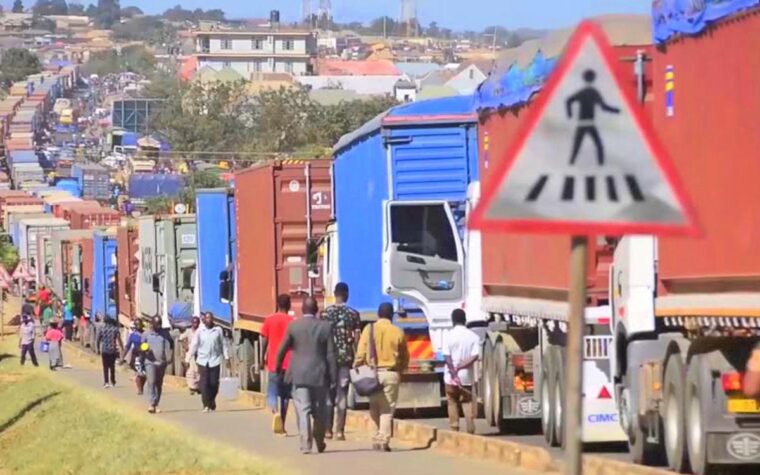
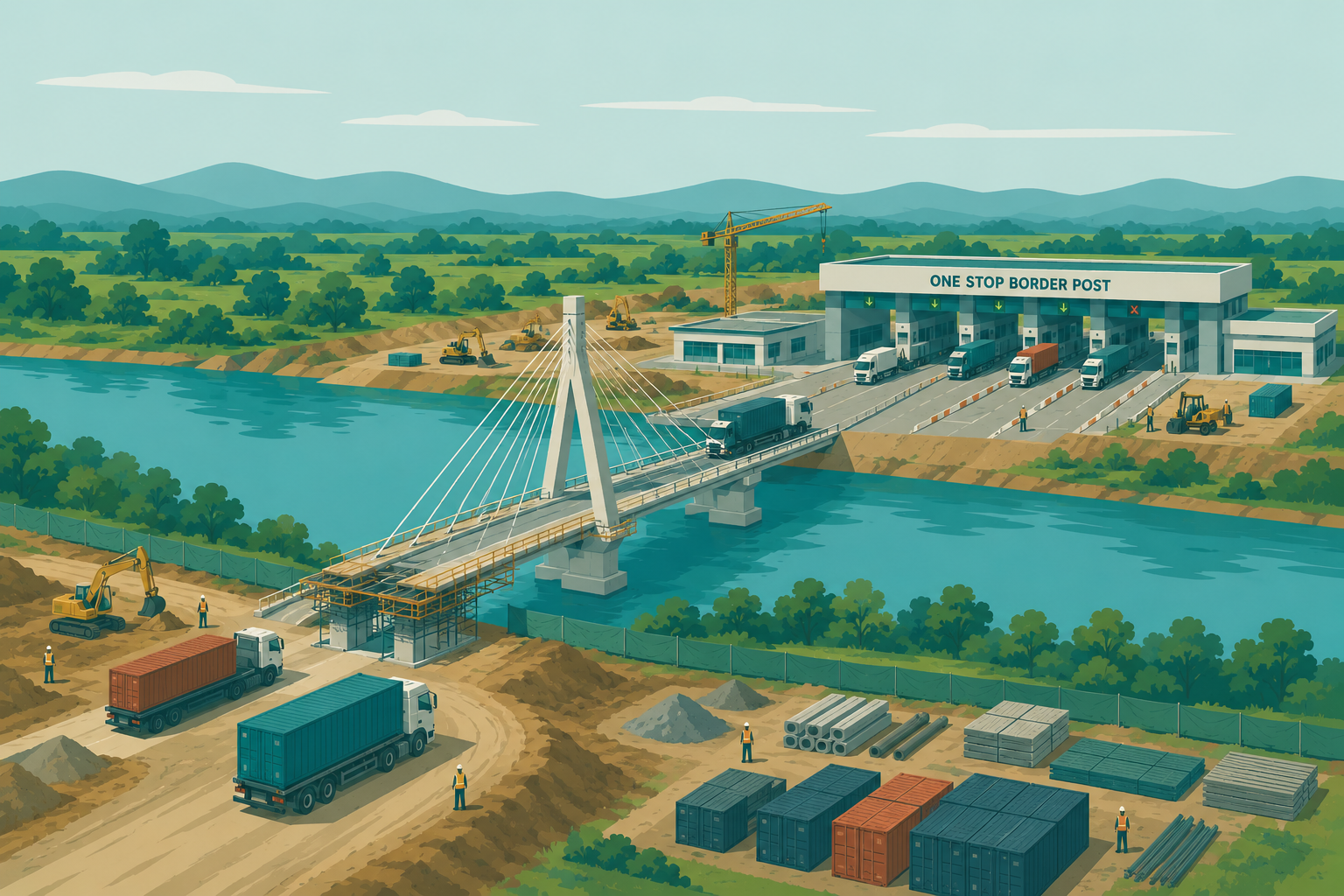
Border clearance efficiency, road infrastructure, vehicle turnaround times, maintenance capacity and the availability of return loads all influence how productively transport assets can operate.
As Zambia’s mining industry expands, the opportunity for transport operators will increasingly depend on their ability to turn fleet capacity into reliable, cost-effective freight movement.
Zalawi’s latest investment is another development in the strengthening of the regional logistics ecosystem needed to support that growth.